
Old School. Biblically Independent.
By Kayleigh Donaldson | TV | July 9, 2026
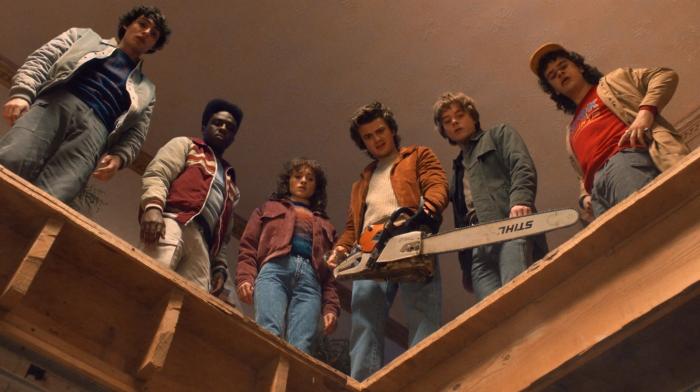
A recent report from Bloomberg detailed how Netflix executives are in a panic over its original TV programming. Statistics have shown that their top shows have been losing 30 to 70% of their audiences between seasons one and two. The bosses seem baffled by this news and are trying to figure out the problem. The internet responded with its own theories, and they had many to share, all of which highlight how the streaming giant changed the TV model for the worse.
The biggest complaint viewers had was the long waits between seasons. It’s no uncommon for fans to now deal with two-to-three year gaps, or even longer for hits like Stranger Things. Giving creators the freedom to take their time can be a good thing, but consider the needlessly dragged-out wait for the fifth season of Stranger Things. In the time between four and five, multiple cast members got married, had kids, got divorced, and released multiple movies. For viewers, even ardent fans, the wait left them with a diminished knowledge of what had happened in prior seasons. I wonder if that was partly the point, so that Netflix could get those rewatch numbers, but it made for a laborious cycle for people who just wanted to know what happened next with their favourite characters.
Then there’s the release model itself. Netflix pioneered the binge-watch, offering audiences a chance to watch an entire season of TV in one go. It felt revolutionary in the beginning, a rush of instant gratification that satisfied the part of our lizard brains that hates having to wait for anything. Oh, that episode ended on a cliffhanger? No worries, I can just jump to the next one right now. But it soon grew obvious as to why this format couldn’t always work. Not every show supported it, either narratively or in terms of flow. Plus, it led to a lot of people subscribing just to watch one thing, binging it, then unsubscribing. So, Netflix got into the bad habit of splitting seasons into two or three, dragging out things needlessly in the name of audience retention. It irritated viewers, making the entire concept of seasons seem redundant (but offering an out to having to negotiate with unions over fairer deals.)
To make matters worse, Netflix and other streaming services have thoroughly obfuscated their viewership numbers and offered a vague definition of what even counts as a legitimate view. It’s easy enough to claim a hundred million viewers on your latest show if you say someone watching half of the pilot then never continuing is a proper marker of success. Secondary reporting on their actual ratings is still somewhat ephemeral. What it’s created is a system of endless pressure for casual audiences who now worry that they’re not watching their new favourite show “properly” to help support it.
Say you’re looking forward to a new Netflix show. 13 episodes drop on a Friday afternoon, totalling 13 or so hours. You know that Netflix only cares about those who watch it in the first three weeks, and you know that they’re highly likely to cancel it if it doesn’t meet an invisible standard of success only they’re aware of. So you get fans scrambling to binge-watch the show, encourage their friends and families to do so, and offering instructions on how to boost those statistics. I’ve seen fans tell people to just put the show on in the background and mute it, leaving it running overnight while you sleep. It essentially amounts to streamer fraud, not unlike how many music stans try to bump up their artists’ Spotify numbers. There’s no fun in this process, and even without that tedious pressure, audiences typically don’t have the time nor inclination to marathon new shows week after week. We have stuff to do.
It’s not surprising to me in the slightest that many of the most talked-about shows of the past couple of years have been ones with weekly release models: The Pitt, Widow’s Bay, Interview with the Vampire // The Vampire Lestat, House of the Dragon, Severance, and so on. There are exceptions, of course, but many of the binge-watch programmes that have broken out were slow-burn word-of-mouth hits or miniseries where the time commitments were less intense, like Adolescence and Baby Reindeer. The illusion of choice has dissipated somewhat now that Peak TV is thoroughly over, but we still have a hell of a lot of options and no way to keep up with it all if binge-watching is the default.
Oh, and there’s also the elephant in the room that is rising subscription costs. We’re being forced to pay more for less, or make cuts on what services are more necessary than others. I know a lot of people who dropped Netflix over Apple TV or Amazon Video just because they didn’t offer good value for money and all their favourite shows had been cancelled anyway At least Apple has shows that hook us, even if they suck at advertising them, and Amazon is evil as hell but you can find movies on there that pre-date 1980. Now, Netflix is scrambling to put podcasts and videos from publishers like Buzzfeed and Conde Nast on their platform. That’s right: why watch it all on YouTube for free when you could pay for it?
Netflix and its copycats forgot why network TV, even with declined ratings, reigns supreme. Sometimes, all we want is 26 episodes of something, with a weekly release and a guaranteed new season the next year. There is a reason why CBS, with its endless abbreviated names procedurals and Big Bang Theory spin-offs, has retained its clout in this format. When your options are so stark - the Netflix binge-watch followed by years of waiting and increased costs for, let’s be honest, a mediocre product, or Thursday nights on the couch with NCIS — don’t be shocked when the old ways take the lead.


