Old School. Biblically Independent.
By Brian Richards | DC Movies | March 27, 2026
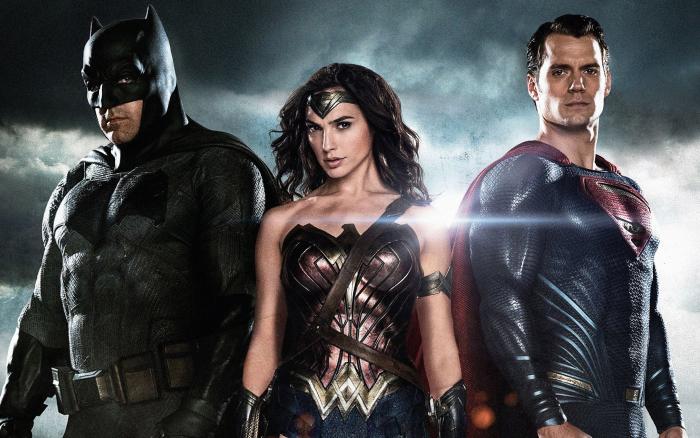
On July 14, 2013, Man of Steel opened in theaters, and to say that it was divisive and polarizing upon its release would be a massive understatement. The film took in $668 million worldwide at the box office, and Warner Bros. was eager to greenlight a sequel, especially after witnessing the success of The Avengers, and wanting to follow in Marvel Studios' undeniably successful footsteps by using comic book characters to create their own money-printing machine in the form of a long-running cinematic universe.
At San Diego Comic-Con, one month after Man of Steel's theatrical release, Snyder appeared on stage with actor Harry Lennix, who appeared in the film as Gen. Swanwick, where they both announced what Snyder's next project would be, and what he had in mind.
For any readers in need of clarification as to who and what Lennix was quoting, he was reciting lines of dialogue from the legendary comic book series Batman: The Dark Knight Returns, specifically the final chapter in which Batman is fighting Superman face-to-face in a battle to the death, and is taunting Superman while pummeling him into defeat.
On March 25, 2016, long after the casting announcements and the first looks at characters in promotional photos that made the Internet completely lose its sh-t -- and not entirely in a good way -- the wait was finally over, and Batman v Superman: Dawn of Justice opened in theaters nationwide.
Batman v Superman begins where Man of Steel ended, with the climactic scene of General Zod (Michael Shannon) unleashing carnage and destruction on the city of Metropolis, and Superman (Henry Cavill) doing everything possible in his attempts to stop him and prevent him from harming any innocent people. Despite Superman's valiant efforts, Zod's unrestrained power results in numerous buildings being destroyed, including the financial division of Wayne Enterprises, the multibillion-dollar corporation owned by Bruce Wayne (Affleck). After witnessing the deaths of his staff members, helping one of his security guards to safety when his legs are destroyed by falling debris, and tending to a young girl whose parents perished in the destruction, Bruce becomes convinced that Superman is a threat to humankind that must be destroyed.
18 months later, Superman is continuing to use his powers to help protect the people of Earth, even though some of them still don't trust him, and think that he's only making things worse instead of better. As a reporter for the Daily Planet who now shares a home with his partner, fellow investigative journalist Lois Lane (Amy Adams), Clark begins looking into the existence of Gotham City's costumed vigilante, Batman, whose methods of stopping criminals have become even more ruthless since Superman's arrival. Meanwhile, genius/billionaire/philanthropist/scientist Lex Luthor (Jesse Eisenberg), unknown to both Batman and Superman, has begun pulling the strings to manipulate them both and convince the two heroes to distrust and despise each other so much that they're willing to battle each other, all while Lex uses his scientific research into the existence of metahumans to give him an advantage that will allow him to control them, destroy them, or maybe even both.
When Zack Snyder and co-screenwriter Chris Terrio (who had recently won an Oscar for Best Adapted Screenplay for the Affleck-directed drama Argo) began their work on Batman v Superman, they knew what kind of story they wanted to tell, and how they wanted to tell it. Snyder spoke of deconstructing the two heroes, and putting them both through the wringer for them to emerge as the heroes that they're known to be, while also not wanting to do a traditional action-comedy that could easily come across as a buddy-cop movie with capes. They also wanted to dive deeper into the themes introduced in Man of Steel, where humankind reacted to the presence of aliens -- even one like Superman -- with fear and paranoia instead of kindness and generosity. (Which brings to mind Agent K from Men in Black, and his classic quote about the difference between a person and people when it comes to learning uncomfortable truths.)
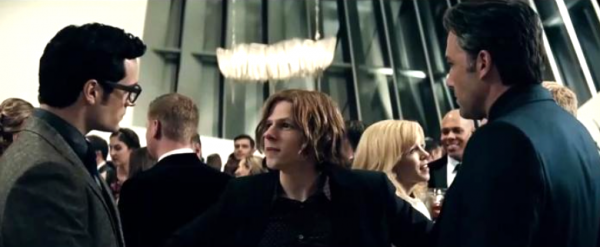
From the moment that Batman v Superman opened in theaters, there have been -- and there still are -- many complaints that people have about the film: Superman broods too much, and isn't kind, happy, or inspirational enough as a hero. Superman is only a superhero in this universe because of Martha and Lois, and not because he actually cares about helping people. Jimmy Olsen is not portrayed accurately at all, and is only used by Snyder because he thought it would be cool to kill him off. Lex Luthor isn't comics-accurate, and acts more like the Joker and the Riddler than the traditional Lex Luthor we all know. Lois Lane is nothing but a damsel in distress who doesn't do anything. Wonder Woman would never turn her back on humanity like she claims she did. Superman didn't do enough to help the people in the Capitol building when it was blown up, and he had the nerve to leave town so he could brood instead of bouncing back and carrying on like a true hero would. Superman would never say something like "No one stays good in this world."
Martha telling Superman that he doesn't owe anything to the world, and not being as kindly and warmhearted as previous versions of the character. Superman being unable to detect Lex's bomb and stop it from exploding. Our first sighting of other Justice League members (the Flash, Aquaman, and Cyborg) being in an email sent to Wonder Woman with surveillance footage, instead of them appearing in their own solo films like the members of the Avengers. Why did Superman insist on being the one to wield the Kryptonite spear against Doomsday instead of giving it to Wonder Woman? Why is Batman so dark and brutal, violating his no-killing code that he's known for? And of course...the "Martha" scene between Batman and Superman.
The responses that Batman v Superman fans have for those complaints whenever they're brought up?
Superman has been helping others -- and putting his life and freedom at risk whenever doing so -- ever since he was a child, and he does it because he truly wants to, not because he feels obligated to his mother or his partner. Superman has to deal with an entire world publicly questioning his motives and expressing their distrust toward him, and he does it while saving their lives and protecting them from all enemies, human and otherwise. The Jimmy Olsen we see in this film is not the real Jimmy Olsen, but is actually an undercover CIA agent using Olsen's identity to work with Lois and infiltrate the camp of the terrorist that she's interviewing. Lex Luthor presents himself as too socially awkward to be anything like the Joker, and if he's being compared to Jim Carrey's version of the Riddler, that portrayal wasn't really comics-accurate, either.
Lois is the same journalist that she was when we first met her, in that she has zero tolerance for other people's bullsh-t if it gets in the way of her doing work that she takes very seriously. Doomsday is a genetically modified version of Zod's reanimated corpse, and is not the actual Doomsday known and recognized from the comics. Wonder Woman hasn't entirely turned her back on humankind like she claims she has, and still helps them on her own terms, but is far from the hopeful and bright-eyed heroine that she was when she first came to live among civilization. Superman isn't a robot, and after witnessing so many lives being extinguished right in front of him, and being completely unable to prevent it from happening, he has every right and reason to be upset, and to be alone while gathering his thoughts so he can figure out what to do next.
Superman is being forced to kill someone by the man who has kidnapped his mother, and he sees no way out for himself without getting blood on his hands, so goodness always triumphing over evil is the last thing on his mind at that moment. Martha is kind and warmhearted, but she's also a mother, and though she isn't fond of what is being said about her son, her stance toward Clark and his choice to be a hero remains the same: when it comes to who you are, and what you can do, you are the only one who can decide what path you should follow. Not every superhero team needs to go the "Here's a solo film for each member before they finally come together as a team" approach, and as for how we first see the Justice League here? It makes sense for it to happen through Wonder Woman's eyes, and for us to witness her discovering the world of metahumans right before we see her discover the world of humans in her own solo film. Wonder Woman already had her hands full fighting Doomsday and restraining him with her Lasso of Truth, and Superman passing the buck to someone else rather than doing everything possible to stop Doomsday once and for all isn't something that would ever occur to him. Batman and Bruce's entire arc in the film is of him not acting like the hero or the good man he's supposed to be, until he realizes how far he's fallen, and how he has to set things right.
As for the "Martha" scene, and all of the discourse and jokes that have been inspired by it? It all has very little to do with their mothers having the same first name (which clearly has an effect on Batman), and more to do with him suddenly being forced to realize and accept that Superman is someone with a parent that he loves, and who loves him in return, and that he's not simply the weapon of mass destruction that he has seen him as in his mind for a year and a half. By hearing his mother's name coming from the lips of someone in immense pain and on the verge of death -- someone who is begging Batman to save her life -- Batman saw himself one step away from becoming a villain, and worst of all, becoming the same type of villain who will take a mother and father away from their child through a sudden act of violence. Once the hatred and obsession left his mind and finally allowed him to see clearly, it allowed him to accept Superman as an ally and a force for good, and it also gave him the chance to save Martha Kent and prevent her son from becoming an orphan like himself.
However, if none of that matters to you or makes any sense, and the execution of the scene still has you wondering why Superman didn't just say to Batman, "Save my mother, Martha Kent" instead of just "Save Martha?" I'll just let one of my longtime mutuals from social media answer that question: "I don't know, it's not like he had someone's boot crushing his f-cking windpipe at that very moment."
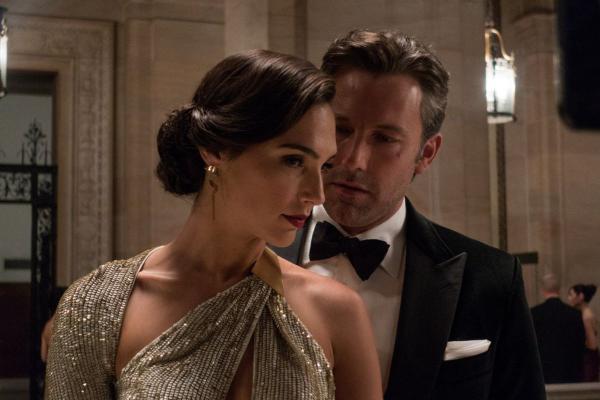
Now we come to the reasons why Batman v Superman has earned praise from its fans, especially after the Ultimate Edition was released on Blu-ray, restoring a full half-hour of footage left on the cutting room floor, and proved to be a much better, more cohesive version of the film than the one released in theaters.
Clark and Lois being so in love and so horny for each other that they're willing to flood their apartment so they can f-ck in the bathtub. (A level of horniness that would make Morticia and Gomez Addams nod with approval.) Bruce's skills as a combat strategist rearing their head when he quickly whispers some advice to the Not-Fight Club member that allows him to turn the tables on his opponent and win their match. The "Knightmare" scene, and how it not only hints at the existence of Darkseid and his Parademons, but ends with the Flash appearing from that alternate future to warn Bruce that Lois is the key to everything, and for him to bring the Justice League together. Clark and Perry White butting heads over the responsibility of the Daily Planet to tell stories that matter, and that the public needs to know. Clark not being portrayed as a nerdy klutz, especially while conducting his investigation into Batman. Batman's first and last appearances in the film being shot like something out of a horror movie. "I don't deserve you, Alfred." / "No, sir, you don't."
Martha's love for Clark being so evident just through their late-night phone conversation, and how she obviously wants nothing more than to hug her son and tell him everything will be okay. Superman flying all the way from Metropolis to Mexico to save a young girl from a burning building, followed by the montage of him saving lives around the world while he is constantly dissected by the 24-hour news cycle. Lois putting the pieces together and realizing that Lex has been orchestrating everything against Superman. Clark's conversation with Jonathan Kent on the mountaintop. The suit of armor that Batman wears for his fight against Superman -- seriously, Michael Wilkinson and his team deserve all of the chef's kisses for their costume design -- and the actual fight itself, which is brutal and monumental while also making you hate that the two heroes are fighting in the first place. The Kryptonite losing its effect on Superman while Batman punches him in the face, and Batman stepping back and holding his hands out in a "C'mon, I'm just a little guy, it's my birthday" manner to try and deter Superman from hitting him back.
The warehouse scene, which is considered one of the best fight scenes in any Batman film, and is a perfect example of Batman's fighting skills shown at their peak.
The final battle with Batman, Superman, and Wonder Woman vs. Doomsday; and the funerals for both Clark and Superman, showing how each of them is honored and remembered by those who knew him, and by everyone else who embraced and appreciated him as their protector.
The cast and their performances deserve a shout-out as well: Henry Cavill as Clark/Superman, who continues to struggle with being accepted and trusted by his adopted planet, but refuses to let that stop him from doing the right thing, whether it's appearing at government hearings to answer questions and tell his side of the story, or immediately stopping Doomsday from punching the man who kidnapped his mother to make him into a ruthless killer; Amy Adams as Lois, who won't let anyone get in the way of her uncovering a massacre that happened in her presence; Jeremy Irons as Alfred, whose devotion to Bruce and his mission is undeniable, as well as his willingness to call him out for how far he has fallen, and how much further he'll continue to fall if he chooses to kill Superman; Holly Hunter as Senator June Finch, who pays with her life for refusing to ignore Lex creating weaponry not to defend the planet, but to use against anyone who would threaten his own power; Diane Lane as Martha, whose love and support of her son remain as steadfast as ever; and Laurence Fishburne as Perry, who may give his reporters grief over why they're pursuing a story, but will have their backs when it truly counts.
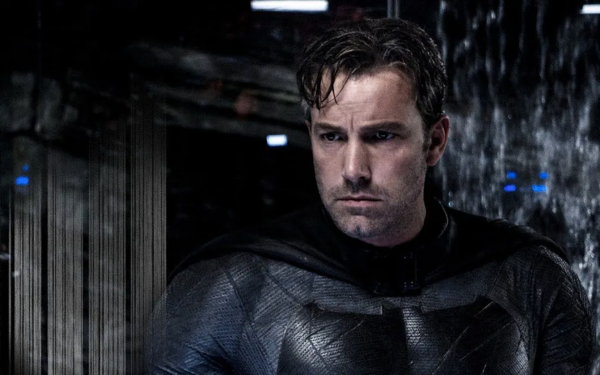
A lot of noise was made on and off the Internet when it was announced that Dunkin' Donuts enthusiast and Good Will Hunting 2: Hunting Season star Ben Affleck would be playing Batman/Bruce Wayne on the big screen, and doubts were expressed as to whether he was worthy of wearing the cowl of the Caped Crusader. (Especially after his last superhero film, Daredevil, didn't get a glowing reception when it was released in 2003, though reviews were a bit kinder for the director's cut when it was released on Blu-ray and DVD.) Those doubts were largely silenced, and Affleck surpassed expectations with his performance as Bruce Wayne -- charming and carefree playboy who in reality is haunted by nightmares and by the losses of his loved ones -- but also as Batman, whose 20-year career as the Dark Knight has not only made him even more of a force to be reckoned with, but has also left him an embittered cynic whose crimefighting techniques have become even more ruthless than the criminals he goes after. This isn't the "Batgod" who is right all the time, and who wins every battle with the right amount of prep time. He's a Batman who accepts that he is wrong for what the "new kind of mean in him" has convinced him to do, and who uses his regret as fuel for his attempt at redemption by carrying on Superman's mission to protect the Earth from anything that would threaten its existence.
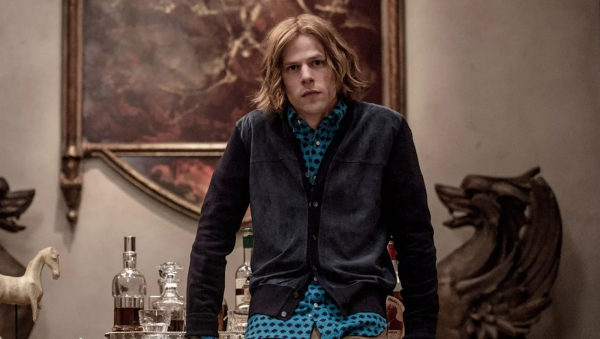
Jesse Eisenberg gave audiences a disturbing glimpse of the future with his portrayal of Lex Luthor. Instead of the smooth-talking businessman in immaculately tailored three-piece suits, we got a young, arrogant, fast-talking techbro in jeans and T-shirts -- a combination of Elon Musk, Mark Zuckerberg, and Max Landis who refuses to take "no" for an answer, and is willing to destroy countless lives with a smirk on his face, as long as that destruction means more power for him to wield as his own. (He's also willing to defile the Capitol building with his bodily fluids, and disrespect the politicians who work there while also threatening their lives.) Lex wants nothing more than to prove that Superman -- much like the God in Heaven who failed to protect him from the abuse he suffered as a child -- is not good, and deserves to be brought to his knees. Lex also does all of this while making a four-course meal of his dialogue, courtesy of writers Terrio and David S. Goyer. Whether it's him pointing out that the fastest way to get to Superman is through Lois ("The shortest distance between any two points is a straight path. And I believe the straightest path to Superman is a pretty little road...called Lois Lane"), mocking Superman when he realizes that he's holding Martha captive ("The mother of a flying demon must be a witch. The punishment for witches, what is that? That's right. Death by fire. Mother of God, would you look at the time?!"), or making it clear to Batman that he knows his true identity ("This is how it all caves in. Civilization on the wane, manners out the window.").
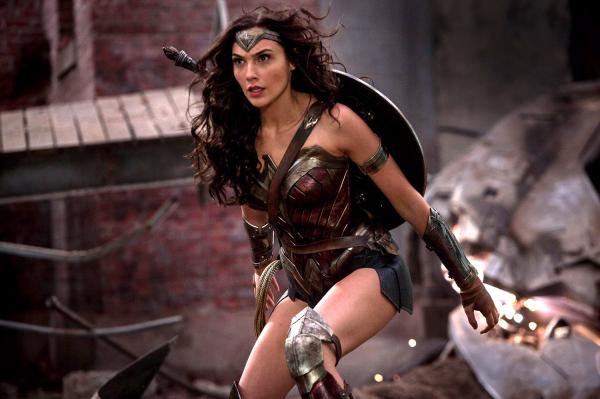
Much like Gina Carano, there was a time when it was easy to overlook Gal Gadot's limits as an actress and enjoy her work in films, until her political beliefs and opinions made it nearly impossible to continue doing so. However, when Gadot made her debut as Diana Prince/Wonder Woman, and she first appears coming to Batman's aid against Doomsday while Hans Zimmer and Junkie XL's "Is She With You?" roars on the soundtrack, she was quickly seen as the highlight of Batman v Superman, with her performance making viewers want more of what she was bringing to the table. Diana may be burned out after seeing humankind at its very worst over the course of a century, but she's still unwilling to turn her back on them completely, and will suit up with sword, shield, and lasso in hand when all hope seems lost. The moment that smile appears on her face while battling Doomsday tells you all you need to know about how much Wonder Woman relishes having an opponent who will make her sweat for her victory.
The supporting cast also included Jena Malone as S.T.A.R. Labs scientist Jenet Klyburn (and not Carrie Kelley, despite what fans were hoping for when they saw Malone dyeing her hair red on Instagram before the film went into production); Scoot McNairy as Wayne Enterprises security guard Wallace Keefe; Wunmi Mosaku as Kahina Ziri, who testifies about Superman and his presence in Nairomi, Africa; Callan Mulvey as Anatoli "KGBeast" Knyazev; Jeffrey Dean Morgan and Lauren Cohan as Thomas and Martha Wayne; and Harry Lennix reprising his role as Calvin Swanwick (long before he is revealed in Zack Snyder's Justice League to be Martian Manhunter in disguise).
Even though Batman v Superman received mostly negative reviews when it was released, it still made $873 million worldwide -- an impressive take, but one still considered by many to be disappointing, especially for a film featuring DC Comics' trinity of heroes appearing together in live action on the big screen for the very first time. Some people blamed the film's tone for being too dark and intense, and not nearly as fun and enjoyable as what Marvel Studios was giving audiences with their movies. Others felt that behind-the-scenes interference from Warner Bros. was to blame, and that if the studio had more confidence in what Snyder was doing, and allowed the Ultimate Edition to be the only version of the film released to the public, it would have gotten a better and more positive reception.
Zack Snyder was still expected to direct the next sequel, Justice League, for Warner Bros., but after all of the negative reviews from critics, and BvS not making over a billion dollars at the box office, he was now on thin ice with the studio. Unfortunately, all of that immediately ceased to matter when Snyder and his wife and producing partner, Deborah Snyder, announced that they were stepping away from production of Justice League because of the recent suicide of their daughter, Autumn. Joss Whedon was then hired to take over the director's chair to finish the film while also overseeing additional reshoots; Warner Bros. pretended that this decision had Snyder's stamp of approval, and Whedon's time on the film as director and co-writer did astonishingly little to save it or make it into a box office success. Once it became known that the theatrical cut of Justice League was nothing at all like what Snyder had intended, and that hours of footage remained unseen, the Release The Snyder Cut hashtag and movement was born. Fast forward to 2020, when COVID-19 (or as Cardi B would say: Coronavirus! Coronavirus!) brought everything to a standstill, including the film and television industry. Executives from HBO approached Zack and Deborah about possibly completing their unfinished cut of Justice League to air on their brand-new streaming service, which was in need of subscribers and content worth subscribing for, and on March 18, 2021, Zack Snyder's Justice League premiered on HBO Max.
Despite its ratings success, and viewers clamoring for sequels to continue the story that Snyder was telling, the Powers That Be over at Warner Bros. made it known that there would be no sequels to Zack Snyder's Justice League, and that it would be the last DC film that Snyder would ever make. Soon after came the announcements of James Gunn becoming the co-CEO of DC Studios with Peter Safran, that there would be a newly rebooted DCU to replace nearly everything in the DCEU, and that Henry Cavill would not be returning to play Superman in any more films. 2025 saw the release of Superman, written and directed by Gunn, to acclaim and enthusiasm from both critics and audiences. It will be followed in July by Supergirl, starring Milly Alcock as the title character and Jason Momoa as Lobo, and the Superman sequel Man of Tomorrow, expected in theaters in July 2027, which will finally introduce Brainiac on the big screen.
Since its release ten years ago, Batman v Superman has been called a political thriller; an examination of grief, obsession, and misplaced vengeance in a post-9/11 world (Bruce Wayne invoking Dick Cheney's one-percent doctrine to defend his position against Superman was definitely not an accident); a superhero movie that takes itself way too seriously; and a superhero movie that should take itself seriously, and not follow the exact same approach as what Marvel Studios was doing. When Zack Snyder said that he wanted to tell a story with the Man of Steel and the Dark Knight that would be discussed long after the closing credits, he accomplished that mission, and he is understandably proud of that fact. There are those who hope that Batman v Superman, and the filmmaking approach that would consider a superhero movie like this to be necessary, will simply fade into memory now that James Gunn is here to guide the DCU into a newer and brighter era. Only time will tell if that ever happens, but with the amount of defenders and detractors who are not shy or quiet in expressing their views about Batman v Superman whenever it comes up in conversation -- as I've said many times before when writing about this cinematic universe in any form: there is never a dull moment when it comes to the DCEU DCU.
Batman v Superman: Dawn of Justice (Ultimate Edition) is now streaming on HBO Max.


