Old School. Biblically Independent.
By Dustin Rowles | Social Media | August 16, 2023
Elon Musk took over ownership of Twitter, promising to be a free-speech absolutist. In that time, he has suspended accounts that tracked his jet flights; he has banned accounts from far-left activists and accounts that called him out for banning accounts from far-left activists; he has fired employees for correcting him on Twitter; he has sued the Center for Countering Digital Hate (CCDH) for investigating hate speech on his platform; and there have been periods where he has banned links to competitors.
It’s not very free speech-y. His latest move? Throttling links from Twitter to competitors or other sites he simply does not like, such as the NYTimes, Bluesky, and Substack. As first reported by the Washington Post, users who clicked on a link to a site that Musk disliked would have to wait around five seconds for it to load. Five seconds is an eternity on the Internet, and that delay can cause referrals to plunge as impatient users click away rather than wait.
The throttling also affected Facebook, Instagram, and Reuters. The delay may have been going on with certain sites, like the Times, as far back as August 4th.
Soon after the Post reported that Musk was throttling traffic to certain sites, Twitter began rolling back the change. Did Elon Musk think that no one would notice and report on a five-second delay on only certain sites?
“This is one of those things that seems too crazy to be true, even for Twitter, until you see it inexplicably take 5 seconds for Chrome to receive 650 bytes of data,” Twitter’s former head of trust and safety Yoel Roth posted to Bluesky. “UX research on web performance suggests that even a 1-second delay is enough for people to start to context switch, which increases bounce rates and decreases time spent on the linked site. Delays are annoying enough, even subconsciously, to drive people away.”
As part of his ongoing pettiness with the media, Musk has previously labeled NPR as “state-affiliated media,” marked links to Substack as unsafe, and pulled the Times verified badge. It is a private company, so Elon Musk can do what he wants with it. What he can’t do, however, is honestly call himself a free-speech absolutist.
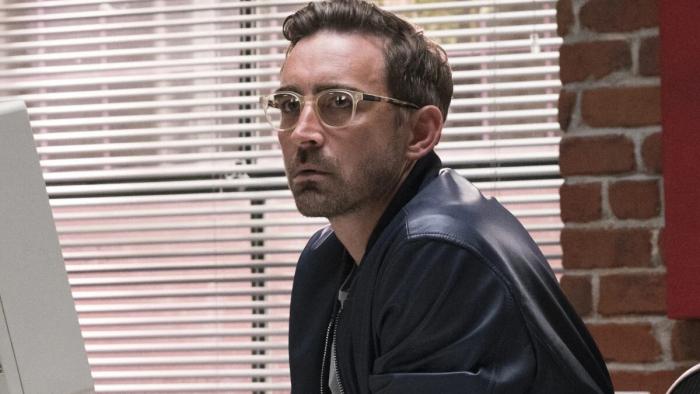
As is always the case here, we replace images of Elon Musk with that of Lee Pace for aesthetic reasons, with apologies to Lee Pace. The reason that Pajiba’s traffic has probably not been throttled is that Musk thinks we are flattering him because his narcissism is more powerful than his self-awareness.


