Old School. Biblically Independent.
By Andrew Sanford | News | August 11, 2026
Some of the best moments in WWE history have happened in recent years. There were big storylines, huge moments, and new stars minted in a way that shows the company has a path forward. This was after years of a product that felt incredibly stagnant. They were at the top of the hill; they knew it, and would frequently rest on their laurels and give in to the whims of an evil old man who has luckily been booted from the company. But something else helped motivate this big shift: competition.
Plenty of wrestling brands have existed over the years, but few have managed to stand toe-to-toe with the WWE from a competition standpoint. The last real challenger they had was WCW, which benefited from having slots on two cable television channels, but the aforementioned evil old man would eventually buy the company. Almost twenty years later, the son of a billionaire would help a group of wrestlers form their own company, and All Elite Wrestling (AEW) was born, putting WWE’s feet to the fire.
It’s not that AEW is necessarily beating the WWE in ratings or merchandise sales, but the company’s mere existence and popularity have put World Wrestling Entertainment on the defensive. If they would fire a wrestler in the past, that person would likely disappear or go back to the indies for a while, hoping to claw back. Now? Another company will not only sign them, but they’ll likely pay them more as well. This has led to several high-profile wrestlers jumping back and forth between companies, which is inherently exciting and good for business.
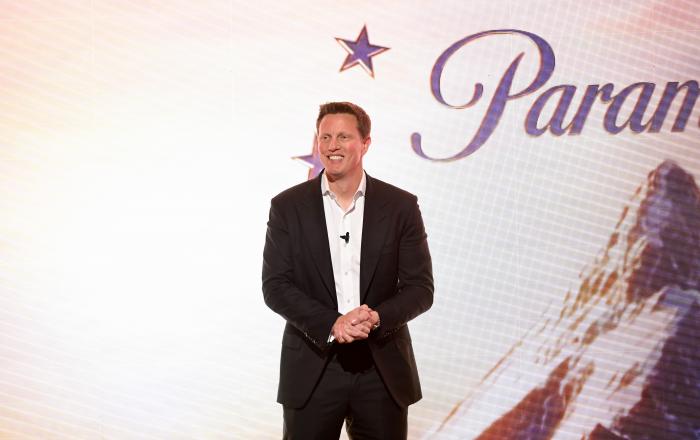
Competition makes the WWE work harder, gets more people paid, and creates a greater landscape, but that isn’t exclusive to professional wrestling. It’s true about any business, which is why 12 states have sued to stop Paramount from merging with Warner Bros. It will kill jobs, competition, and innovation. Much has been said about David Ellison’s political leanings, and they are bad, but, as California Attorney General Rob Bonta points out in a recent guest column at Deadline, this is about more than one man.
“This lawsuit is about antitrust law. It is a straight up antitrust enforcement case,” Bonta explains. “One that is very cut and dry. One that seeks to prevent the long-term structural impact from the loss of competition. An impact that can’t be remedied with a few one-off, piecemeal promises.” The promises he references are likely Ellison’s claim that he’s committed to 30 theatrical releases a year, something he’s touted often, but that would certainly be hard to enforce.
Bonta goes on to explain what should be very evident: no or less competition means higher prices and less work. He also makes a pretty compelling case about the unknowables in all of this, using the Minecraft Movie and Mission: Impossible as an example, both of which released last year. “If the two companies had already merged, would they have released these megahits back-to-back, or would they have pushed one out? Would they both receive massive marketing budgets, or would one take a back seat? Would the production budgets for each have stayed the same, or would one have been cut down? We can’t know the answers, but these are the kinds of concerning questions with industry-wide impacts that our lawsuit intends to prevent.”
This should all be pretty apparent. I learned about monopolies in grade school (huh, I wonder why Republicans always attack education). They are bad. This would be bad. But Ellison keeps trying to frame it like it’s just about his terrible politics. I’d bet that most people in positions similar to his share his worldview, which is why so many of them have come out in support of the deal, but this is about more than that. This is about making sure an industry thrives, and merging these two companies would result in anything but that.
You can read the whole column here.


