
Old School. Biblically Independent.
By Kayleigh Donaldson | Miscellaneous | February 3, 2026
While browsing Instagram recently, I came across a video of some random influencer. You know the type: she had a nice but bland expensive house, a fridge full of neatly organized items, and a ‘self-care’ routine that mostly comprised of buying Louis Vuitton bags. I usually skip this crap because I find it tedious and smug, but for some reason, I decided to check the comments. Honestly, I expected them to be mostly fawning, with lots of #goals replies as seems typical for this sort of content. Instead, the overall tone was one of disgust and condemnation. This influencer was being roundly called out for waste, for flexing on things nobody needed (and shilling it all via Amazon affiliate links), and for buying more and more stuff to replace relatively new things she’d already shown off in previous videos. They weren’t impressed, which is a problem because this brand of influencer’s entire business model is built on that.
The commenters called out the overconsumption, with many of them talking about how they were deliberately downsizing in the new year, be it out of necessity or a genuine desire to move away from the hoarding tendencies that a culture of endless purchasing of plastic tat has created. Indeed, the new trend is now underconsumption.
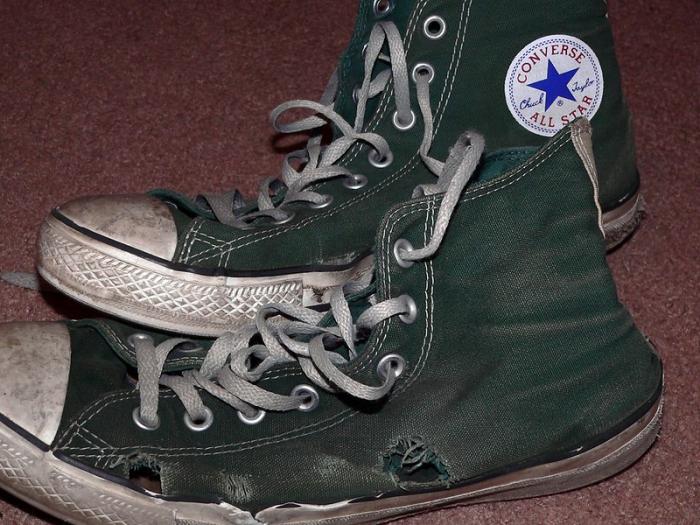
Underconsumption-core is not new. It’s been a trending topic for a couple of years now, a deliberate pushback to the overwhelming glut of ‘buy buy buy’ noise that has dominated our lives. Instead of showing shopping hauls, users put a greater emphasis on re-using what you already have or investing in sturdier items, often from thrift shops. Say no to the Shein shop and yes to fixing well-loved clothes. Don’t buy 16 seasonal-themed scrubs from Tree Hut when you could just finish the one you already have. Oh, that one TikTok put all of their groceries into shiny new glass containers (don’t do that, we need to see expiry dates on packaging for a reason)? Just don’t do that!
A lot of this push is, obviously, out of necessity. This is a recession, we’re all struggling to pay for grossly overpriced amenities, and shrinkflation has taken over every aspect of our lives. But corporations like Amazon, Temu, and Shein love a recession. It gives them the chance to claim they’re for the people with their low low prices, as long as you don’t pay attention to the countless violations of workers rights and labour laws. You don’t need to shop less, they say, because it’s all so much more affordable: luxury for all, albeit in plastic and polyester. But it’s all a scam, and a particularly insidious one.
We all know that the ensh*ttification of everything has taken over consumer rights. Clothes are cheaply made under slave-labour conditions and they wear out quicker than the pieces our grandparents wore, and microtrends, where a new must-have style is introduced every week, is the new norm (as are abhorrent working conditions that have literally killed people.) Good quality furniture has been replaced by flat-pack DIY with the consistency of cardboard. AI-generated slop is polluting our hobbies. None of this stuff is intended to last. It disintegrates or breaks or rips in the washing machine, and oh no, you have to go spend more money to replace it with the same thing that’s going to crumble to pieces in a few months’ time. Landfills increase and so do profits. Can you blame anyone for wanting to reject that?
I recently wrote about the possible backlash to influencer culture I’d seen brewing in the past few months, and much of that ties into our collective disgust with perceived greed and waste. It’s meant to be aspirational to see that one beauty guru with the beige-perfect house and drawers full of half-used lipsticks, but who wants to aspire to that when you know all of it will end up in the bin? Having too much of everything was the point. You couldn’t have one reusable cup, you had to have 20, plus all the plastic accessories from Temu. Soon, even the most mundane aspects of life were spun into influencer prestige, from walls of trainers to a full fridge of beverages. Costco hauls were filmed as fetishistically as Sephora ones. Now, these rich people were rubbing in our faces how much food they could buy, and how much they could let rot in the vegetable drawers. It’s no wonder people are pushing back.
It’s hard to drop habits, especially when you’re forever surrounded by marketing that promises you the solution to all your problems is an ‘add to cart’ away. We have been besieged over the past few years with products and fads that claim to be crucial to helping us ‘optimise’ our lives: productivity tools, storage items, designer athleisure, health food fads, and so on. None of it works, alas, and the dopamine rush that accompanies the arrival of your Amazon package wears off even quicker. We’re stuck in an increasing environmental disaster, and it can feel futile to worry about organising your recycling while Jeff Bezos flies his private jet 20 minutes down the road and data centres soak up our water supplies. But small acts of rebellion can be nourishing, and committing to underconsumption in the face of it all is a satisfying f*ck you, a series of tiny triumphs not built on the backs of strangers’ misery.
Underconsumption-core, of course, risks becoming a trend as much as overconsumption. There will always be people who just do things for the clicks, and not even anti-consumption philosophies are impervious to the thrall of capitalism. A lot of the stupidest fads in recent memory sprung from earnest attempts to buy less. Remember, the Stanley Cup was meant to be a good way to drink more water without buying endless plastic bottles, and now it’s one of the most exhausting symbols of overconsumption. People ragged on Marie Kondo’s cleaning and decluttering techniques, but all her copycats wildly missed the point by insisting that the route to true minimalism was through buying more things to put all your things in. Greenwashing is a problem that can be easy to take at face value, particularly when your options are so limited.
But I certainly feel it’s worth a shot. I’m no minimalist and I’m a proud collector of physical media, but I certainly feel aware of the benefits of conscious consumption that prizes quality and multiple uses over disposability. Committing more to this ethos, alas, can be expensive. Have you seen how much it costs for a real wooden bookcase, or an ethically made wool sweater? Capitalism forces the poor into a cycle of waste. Having the privilege to break free of that is not the status quo. Yet maybe there’s something to be said for calling out the glorified salespeople on your social media feed trying to sell you yet another reusable cup as they brag about their dozens of unused mascaras. Fostering a mass change in attitude has become crucial, even when it feels hopeless. I’ll take that over being badgered by Temu ads any day.


