Old School. Biblically Independent.
By Kayleigh Donaldson | Celebrity | December 12, 2025
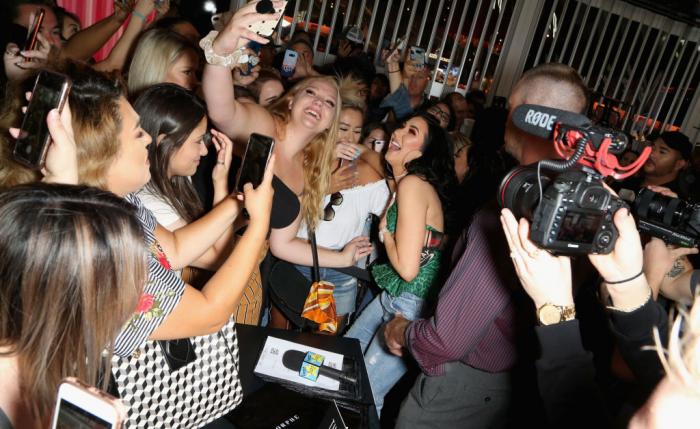
Earlier this month, beauty influencer Jaclyn Hill took to Instagram to ask her viewers why they weren’t engaging with her content so enthusiastically anymore. Hill was one of the original YouTube beauty influencers, a one-time MAC store employee who garnered millions of views through tutorials and celebrity collaborations. She started her own cosmetics brand which experienced a long cycle of controversy over product quality and allergic reactions, all of which gave Hill a bad reputation in the influencer sphere.
Now, she is still online and posting regularly, but by her own admission isn’t drawing in the TikTok numbers she’d like. In response, many fans past and present of Hill’s work chimed in with suggestions. A lot of the comments shared the same sentiments: they missed her old content of tutorials and relatable charm, they didn’t enjoy her new videos where she mostly seemed to flex about her wealth and designer possessions, and they just didn’t trust her endless sponsored content to give them honest reviews of the latest brands.
This wasn’t the first time I’d seen these complaints about influencer culture and the endless pattern of fame and commercialism it had created. Another big-name beauty sphere influencer, Mikayla Nogueira, has come under fire for the launch of her new lip gloss line, which many customers felt was poorly formulated and wrongly advertised. Nogueira was only the latest influencer to face pushback from fans over her loss of relatability, thanks to a recent video where she ‘blacked out’ during a designer shopping trip and showed off tens of thousands of dollars’ worth of tacky purchases.
It got me thinking about whether or not this particular kind of influencer was on the decline. We’ve been positing that idea for as long as I’ve been writing about pop culture, and it’s yet to come to fruition. However, there does seem to be some truth to the 2025 conversation. Last year, Vogue Business wrote that consumers were becoming ‘more discerning’ of who to trust as sites like TikTok led to an explosion in influencer numbers. This April, Vice declared that influencer culture was ‘finally’ dying as people rejected the glut of samey content that prioritised profit and personal branding over community. Reddit is full of threads positing the same question, and the comments are full of people who seem truly relieved by the prospect of influencer culture ending. I can’t say I blame them.
There was a time where you couldn’t avoid the influencer. Whether it was on YouTube, Instagram, TikTok, or occasionally Twitter, users were besieged by content creators explicitly working to sway you in some manner or another, but usually to buy stuff. The explosion of this new economy, one where regular people could become as significant as a big-name celebrity, was seen as a positive force. This was a form of democratisation, a way for you to take back control and get a fair slice of the pie from your corporate overlords. Anyone could do it, and it was your unique charm and perspective that drew audiences to your platform. Beauty and fashion flourished in this space. Worlds that once seemed so elite and holier-than-thou opened up for everyone. Your favourite influencer would be far more candid about that expensive but poorly made lipstick than a TV ad.
It didn’t take long for brands to harness this growing power. Influencers became front row regulars at fashion week. They landed more traditional entertainment positions, like presenters and panellists. They all started their own brands and businesses. Your favourite make-up influencer suddenly had their own lipsticks to shill, on top of more profitable collaborations and high-profile events to attend. Soon, they didn’t seem all that different from your run-of-the-mill celebrity.
There’s a relatability trap that most celebrities fall into, regardless of how they got their start. The qualities that made you so appealing in the first place either get soured in your fans’ imaginations or change because that sudden influx of money and attention cannot help but change you. If you started out doing eyeliner tutorials in your bedroom in your spare time and now you’re living in a mansion while Chanel has your home address, you’re obviously going to change how you do business, because this whole rigmarole is now a business.
You don’t want to piss off the people who sponsor you, so your reviews get kinder, maybe more sycophantic. The rush to make content every single day, lest the algorithm push you out of people’s feeds, leads you to fill the gap with other stuff, like shopping hauls. You buy more and more stuff, just to show it off, and to have affiliate links to make an extra buck. All of a sudden, you’re not making the content that got you famous. You’re just another shopping channel eagerly demanding that your fans buy more and more stuff.
I see this happen constantly in every subspace of the influencer economy. Book reviewers suddenly become indistinguishable from publicists in their rhetoric. Any kind of criticism is labelled as that of ‘haters’ who are jealous of success. Those collectors who once showed such passion for their favourite things now seem hollow and more like hoarders. It’s less about recommendations than it is about pressure tactics to make a sale.
The truth is that everyone is an influencer now. As happens whenever a new capitalistic trend takes root, the rush to overwhelm it and make as much money as possible before the bottom drops out is expected. As wealth inequality gets worse and people working multiple jobs still can’t pay their bills, it’s not hard to see why even hardened sceptics would be drawn to little side-hustling. Maybe you’re super into board games or books or sewing, and you decide to put up a few Amazon affiliate links because you’ve got a few thousand followers and it’s worth trying to make a few dollars from your hobby. But stuff like this quickly sucks all the fun out of being a passion with passions. The work of influencing isn’t back-breaking manual labour, but it is emotionally crap.
When everyone is an influencer, they all start to chase the same trends in a flop-sweaty effort to keep up with the almighty algorithm. Every woman wears Lululemon leggings, uses the same $120 serum, and has the same beige home décor. Keep swiping and it soon feels like you’re stuck on an infinite loop of basic. It’s not just aesthetic either. Influencers need to keep selling you stuff, and if you’re broke, you don’t want every second video on your feed to be another ad for a product you could never afford. Watching those influencers you once trusted to be honest hoard hundreds of PR gifted items that were all glowingly reviewed isn’t just aggravating to watch: it goes against the entire promise of influencer culture.
And it leaves the viewer feeling worse than they did before they watched the content. Even if you’re not one of the millions of people right now struggling to keep their head above water, who wants to see some out-of-touch jerk with bad taste brag about how they couldn’t decide between two $2000 leopard-skin bags so they just bought both? Who gets joy from seeing someone whine about how being an influencer is so hard as they sit in a mansion that they use to host six-figure parties? The internet has become joyless enough in recent years without the equivalent of our high school bullies negging us into buying lipliner to fund their BBLs.
I don’t think the basic concept of influencer marketing will go away. As the field has become oversaturated, it’s likely that the bottom will drop for more people who didn’t get in early, and brands may become more discerning about who they work with. Traditional celebrities have adopted influencer markings in their side-hustles, and they have the cash and industry clout to more a greater long-term success out of it than any newcomer with a ring light and TikTok account.
What intrigues me more is whether or not audiences will actively gravitate towards more ‘authentic’ content, whether it’s in the form of anti-AI creators or simply those who aren’t smothered by money and the tackiness it typically encourages. You can’t beat capitalism at its own game, but you can reject its ugliest aspects when they’re so desperately sold to you as the new alternative.


