Old School. Biblically Independent.
By Kayleigh Donaldson | Miscellaneous | December 4, 2025
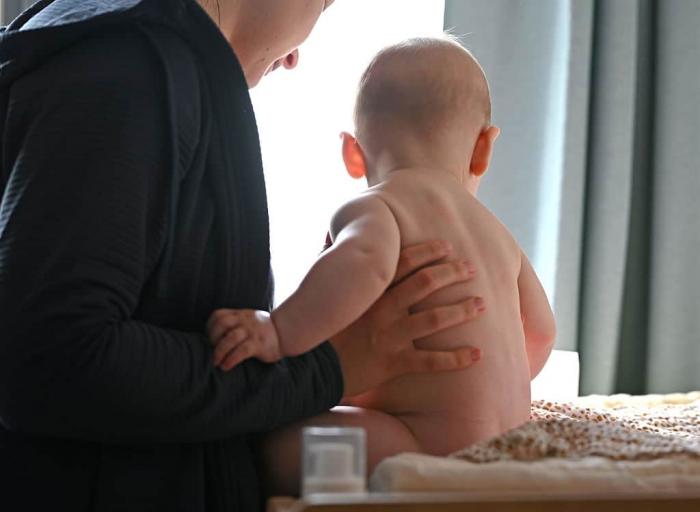
The actor and influencer Shay Mitchell has a business plan. This Fall, she launched her own skincare line, Rini. The wellness market is a crowded one, particularly with celebrity owners and ambassadors. But Mitchell, best known for starring in Pretty Little Liars, has a particular demographic in mind: children. Rini is where ‘skincare meets play’ and where kids under the age of 14 can nurture ‘healthy habits, spark confidence, and make thoughtfully crafted daily care essentials and play products accessible to every family.’ The products include face masks for toddlers.
The backlash was swift, but it also brought to light how much the skincare market was moving in on Gen Alpha. In October, the first skincare brand developed for under-14s, Ever-eden, launched in the US. Their line includes products aimed at kids aged three to eight, like cleansers and multi-vitamin face creams. In the UK, one of the main health and beauty chains, Superdrug, launched a range of skincare for the gap between Gen Z and Gen Alpha. This one makes a little more sense than sheet masks for toddlers, but we wouldn’t blame you if all these brands gave you the ick.
Gen Alpha, the name given to our youngest cohorts, has, apparently become rather enamoured with skincare. There was a brief trend of very young influencers (read: their parents running accounts where they shoved their kids in front of the camera) fawning over Drunk Elephant, a very expensive brand beloved by aesthetically minded TikTokers everywhere. Now, it’s become oddly commonplace to see literal children being used as models for skincare, as though they are the pre-teen influencers of the market.
The skincare industry’s stranglehold on Gen Z-ers and up has already grown to new levels of lunacy. What was once a mere three-step process of cleanse, tone, and moisturize has evolved into a dozen-plus-part potion-mixing masterclass that takes up more of one’s morning than any other part of your daily routine. There are serums, scrubs, masks, and tapes. You go to bed smothered in disposable items that restrict your face in the hopes of preventing even the slightest inkling of a laugh line. Influencers and celebrities alike are loudly shilling their own brands with grand promises of the perfect glow and wrinkle-free visage. And now, it’s not just about the cleansers you can buy from your local pharmacy: injectables are proudly marketed as ‘skincare’, pushing ever younger people into the offices of semi-trained nurse technicians for ‘preventative Botox’ and fillers.
But at least if you’re, say, my age, skincare is probably something you’re using anyway. For kids? This shouldn’t even be something they’re thinking about. There are no real benefits to making six-year-olds use moisturisers and sheet masks. Indeed, it might actually be risky to expose such delicate skin to fragranced products or combinations they’re not in need of. Children’s skin is super sensitive. Introducing irritants to that could have serious long-term repercussions. Then again, I worry that might be the point.
The agenda seems scarily clear, right: let’s get these kids prepared not for the hygienic requirements of adult life but for being a full-time customer who views buying stuff as the only way to improve one’s life. These are consumers in training, taught from the earliest age possible that they’re not good enough and need to fix that over and over again. And if all those masks and creams caused skin problems in your pre-adolescent life? Well, I’m sure there’s a be product to fix that once you’re older.
We’ve already seen attempts to quash the backlash against companies like Rini. Glamour published a piece declaring that it ‘isn’t that deep’ and that buying sheet masks made specifically for toddlers wasn’t that dissimilar to the days when you’d try on your mum’s make-up as a kid. Jo Elvin, the former editor of that magazine, took to her newsletter to condemn the article, noting that, yes, it was that deep and that there was something truly dystopian about the concept of a skincare market for kids with no money. They’re not buying these things themselves, guys!
These are items designed to normalise a whole market and cycle of impossible beauty standards to kids, and it’ll be the parents who push it onto them. It’s bad enough that the youngest generations have to deal with the unregulated madness of the internet, now exacerbated by generative-AI and influencer-dominated social media. Now they have a bit-part actress telling them it’s fun and necessary to get a multi-step skincare routine. How long before every kid with a tablet - and most young kids are now very online - gets barraged with ads for this crap and suddenly worries that they don’t look good enough? I already have rock-bottom expectations for this, and every defence of, ‘well, there’s a market for that’ makes me recoil. There’s a market for a lot of things and we still don’t package them for sale in our local supermarket. At some point, while you’re putting together research on selling skincare to toddlers, you have to hear Dr. Ian Malcolm in your head wondering if, just because you can, does that mean that you should?


