
Old School. Biblically Independent.
By Kayleigh Donaldson | Celebrity | July 23, 2026
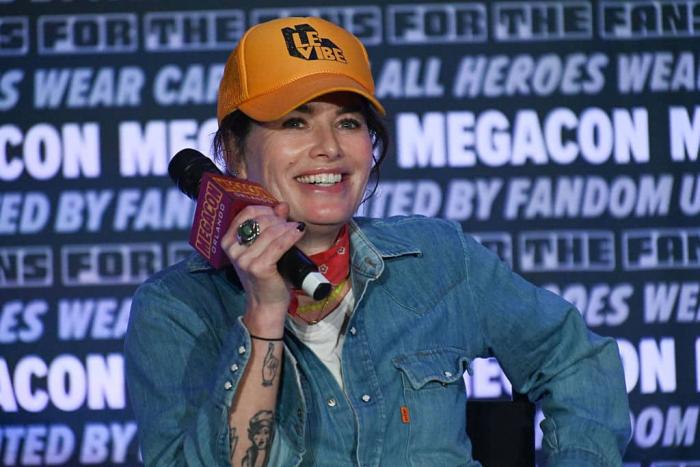
Lena Headey appeared on BBC Radio's Woman's Hour to talk about her new project, an audio drama about an intimacy co-ordinator. Having been one of the stars of Game of Thrones, a major series that required a lot of nudity and emotional rawness, it's an area she knows well. In discussing the topic, #MeToo came up, and she made a depressing but pretty fair point. It truly does feel like that seismic moment in cultural history was swept under the rug very quickly.
Said Headey, "Our industry, as we know, had the #MeToo movement not so long ago. 2017. But it feels like, it feels like it never happened. It's so interesting when any conflict or topic that is incendiary just gets muted after a muted after a minute."
When asked why she felt like that was the case, Headey said, "I wish I had the answer to that. There was this kind of influx of, like, everyone [saying], 'We're going to get the female crew and make sure that, when you walk onto a set, it's kind of an equal balance.' And that's now totally gone away [...] I just don't think that it's ever going to change."
Did she lie? Not in the slightest.
I remember how truly forceful #MeToo felt. The anger was real and people wanted change. It felt like we were actually going to get it too. Powerful people were, perhaps for the first time in their professional lives, facing tangible repercussions. Companies were making grand promises of working towards gender equity and combating toxic workplace culture. And then... well, we're living in it. It's hard not to view the second Trump presidency and the renewed vigour of the so-called culture wars as a direct attack on #MeToo, as well as other fights for equality like Black Lives Matter and the LGBTQ+ rights movement. It's not just that we ultimately saw next to no punishment for men accused of violent sex crimes: it's that tons of them ended up getting career boosts as they became heroes to misogynists and the growing manosphere. Louis CK won Grammys and sold out arenas. Conor McGregor just palled around with Jimmy Fallon on The Tonight Show. Johnny Depp is now a folk hero for the way he destroyed Amber Heard's life.
I kept hearing all of these smarmy think-piece writers claim that #MeToo "went too far." In the real world, it barely made a dent in the lives of normal women, and in the entertainment world, many of those who were brave enough to speak out about their abusers were dragged through the mud and so thoroughly humiliated that it left countless others afraid to speak out. How could you ever feel secure enough to come forward when you know the legal system isn't in your corner, the cops probably won't listen to you, and, if you're one of the tiny percentage of people to get a conviction, you'll be the one everyone hates for "ruining a man's life"?
Change is maddeningly incremental at the best of times, and when industries like film and TV, where the power brokers are a quasi-incestuous bunch of bean counters and cigar-chomping creeps, there was no real incentive to improve things. Indeed, it's usually more financially feasible to make them worse. Intimacy coordinators are, mercifully, a growing norm on sets, but how safe are below-the-line workers when people like Brett Ratner, John Lasseter, Louis CK, and Bryan Singer are still in charge of sets? Gender parity is decreasing in Hollywood. People of colour and LGBTQ+ people are being not-so-quietly erased from our screens. We can't even publicly embarrass these losers into change because being creeps is now the money maker.
Headey did end her point on a positive note, saying that #MeToo did encourage a greater sense of sisterhood and community among women in the entertainment world. I do think it's left behind remnants of radicalism that many people are still fighting for. It's really hard to kill an idea, and fighting for gender liberation matters now more than ever.


