
Old School. Biblically Independent.
By Dustin Rowles | TV | June 4, 2026
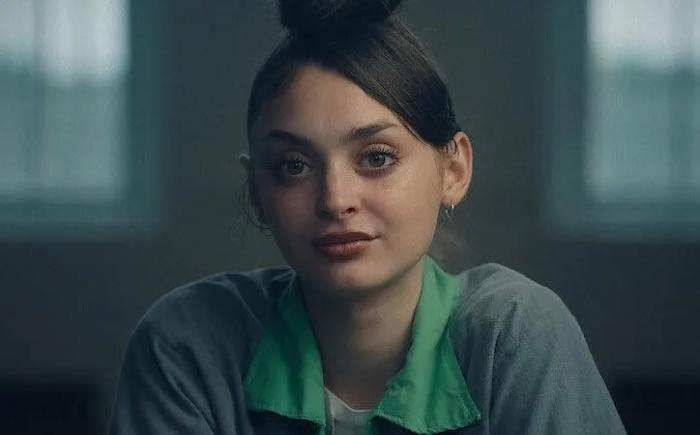
If you’ve browsed Netflix over the last few weeks, you may have noticed that the top movie title on the streamer isn’t one of its high-profile releases — like Remarkably Bright Creatures or Ladies First — but a true-crime documentary called The Crash that has dominated the top spot for weeks. What the hell is it, and why is everyone apparently watching it?
That’s a fair question. For a true-crime doc with this much heat behind it, I’d expected a murder investigation with a few twists, an unexpected reveal, or something to separate it from the rest of Netflix’s true-crime slop. There’s none of that, really. What it does provide, however, is something that social media loves almost as much as last-minute exculpatory evidence: an opportunity to judge.
That is essentially the entire point of The Crash — an otherwise fairly routine depiction of the murder trial of 17-year-old Mackenzie Shirilla, who crashed her car into a brick wall at 100 mph at 5:30 a.m. on July 31st, 2022, killing two others, including her boyfriend.
At the time, Shirilla was what appears to have been a small-time social media influencer. Her personality, at least as depicted in The Crash, can best be described as aggressive and overbearing. She belonged to a close-knit friend group that included one of the deceased, Davion Flanagan, and had been in a tumultuous four-year relationship with the other victim, Dominic Russo.
The documentary opens by interviewing members of Shirilla’s family and friend group, going through the motions of depicting everyone as best friends with the whole world ahead of them, before slowly doling out details in an attempt to inject some mystery into the motive for the crash.
But once all the details are on the table (which still excludes some of the more damning details covered in other true-crime documentaries about the same case), Shirilla’s guilt is obvious. Her only defense is that she suffered from some condition that caused her to black out — but there’s little to no medical evidence to support that claim. And even if she had blacked out, it wouldn’t explain how she accelerated to 100 mph and maintained control of the car in the five or so seconds before impact.
There’s also this, which I’m sure didn’t help her with the jury: Shirilla is spectacularly unlikable, and seems like exactly the kind of person who might lose her temper with her boyfriend and drive her car into a wall at 5:30 in the morning out of spite. The prosecutor in the sentencing phase leaned into this, presenting a reel of TikTok videos of Shirilla doing her whole baddie thing — which might have read as typical teenage posturing, except that several of them were made after the crash. She also did a lousy job expressing remorse, and in her Netflix interview she came off as wildly inauthentic, as though the documentary itself was a calculated PR campaign to overturn her conviction.
For what it’s worth, her parents are no better, claiming that Shirilla was the kind of girl who never needed disciplining (she was a 17 year old who lived with her boyfriend 20-year-old boyfriend, did copious amounts of drugs, and tried to accept a social media sponsorship deal after the crash).
That’s really the draw: an invitation for viewers to pile on. Shirilla doesn’t exactly discourage it. Though this being the internet in 2026, there are plenty of defenders — or at least, the documentary makes a point of suggesting there are, because there must be two sides, even when the actual evidence is damning as hell. Even true-crime documentaries run on divisiveness now. It’s ghoulish, it’s not particularly good, and it’s the latest entry in the streaming playbook of goosing viewership by pitting audiences against each other.
Shirilla, by the way, was found guilty and sentenced to 15 year to life, which is probably better than she deserved.


