
Old School. Biblically Independent.
By Dustin Rowles | TV | June 5, 2026
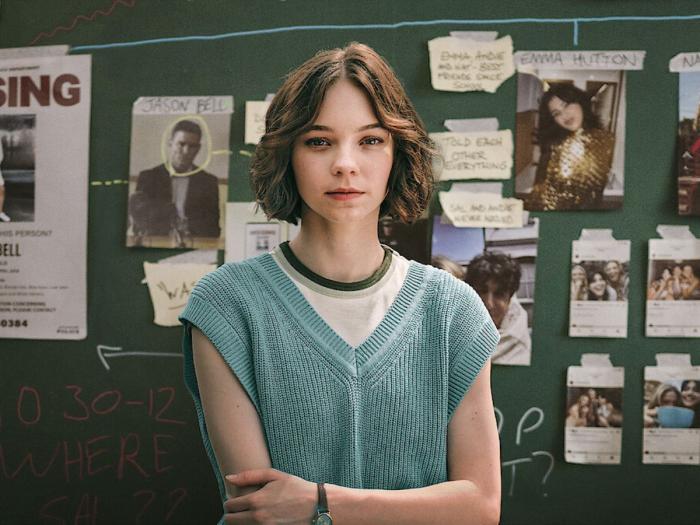
For the unfamiliar, Holly Jackson’s A Good Girl’s Guide to Murder book series is enormously popular among YA readers (my daughters have devoured them). The books have been adapted into a British Netflix series, which recently completed its second season, and it is decidedly not your typical teen detective show where the protagonist solves a murder, gets the boy, and lives happily ever after. Good Girls is bleak and jaded, and it teaches its viewers — many of them young and still harboring illusions about the world — that the good guys do not always win, institutions are not to be trusted, and justice is largely a myth.
It’s not wrong.
Spoilers
To wit: A major arc in season two revolves around the trial of Max Hastings, who sexually assaulted a drugged girl at a party. It’s not his first time. He’s rich and powerful, and his family is more than capable of intimidating potential witnesses into silence. Our protagonist, Pip, not only testifies against Max herself but persuades another of his victims to take the stand, essentially promising her that their testimony will secure a conviction.
It does not. This sh***y little Draco Malfoy throws his family’s money at the best legal team available, successfully casts suspicion on an innocent dead kid, and walks out of court acquitted — to the devastation of his victims and of Pip, who responds with a modest act of vigilante justice: vandalizing his front door. Not that it matters. Max Hastings is a free man, and his best friend immediately weaponizes the not-guilty verdict against Pip, helping turn parts of the community against her for daring to accuse an innocent man on her podcast.
Pip does have one true believer in her corner: Max’s own mother, who berates her son for becoming a monster in his father’s image, refuses to testify on his behalf, and threatens to expose him publicly. It doesn’t matter. Max assaults her and essentially forces her not only to back down but to smile and play the loving mother at the dinner celebrating his acquittal.
The season’s other major arc involves the disappearance of a kid named Jamie. Jamie had been posing online as a girl named Layla Mead, catfishing a security guard named Stanley Forbes — a job he’d been paid to do by a neighbor, Charlie Nowell. Charlie’s actual goal was to lure Stanley Forbes into the open and kill him, because Forbes’ father was Scott Brunswick, an infamous serial killer who murdered Charlie’s twin sister. A ten-year-old Stanley had been used by his father to target the girl — but obviously bore no real moral culpability for the crimes of a parent. He’d spent most of his life since then being shuffled through the witness protection program under assumed identities, because the families of Brunswick’s victims wanted him dead. In this case, despite Pip’s frantic attempts to intervene, Stanley Forbes is shot by Charlie and bleeds to death.
So to recap the second season of A Good Girl’s Guide to Murder: the sexual predator goes free. The innocent man is gunned down. And the only revenge Pip manages is a vandalized door and a leaked confession recording that barely dents Max Hastings’ reputation. Holly Jackson isn’t writing comfort food. She’s writing a YA series that looks teenagers in the eye and tells them the truth: the system is broken, the powerful are protected, and real justice is an illusion. It’s kind of the perfect teen mystery for the Trump era.


