
Old School. Biblically Independent.
By Dustin Rowles | TV | February 3, 2026
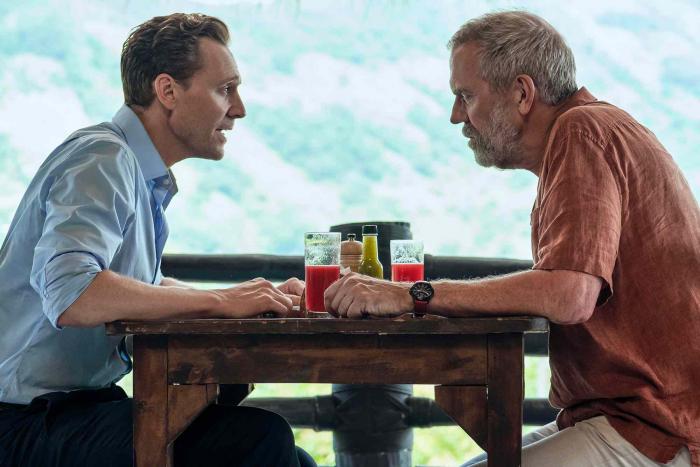
The second season of The Night Manager wrapped this week on Prime Video, arriving a full decade after the first season ended. It is another six episodes of superb performances, meticulous spycraft, a densely packed plot, and a lot of double-crosses. But and I say this with genuine respect for the series as a piece of television craft, it is also a bit of a slog.
I am not suggesting that it is boring. Rather, it is so relentlessly solemn that it frequently drifts into tedium. The first season, at least as memory serves, crackled with energy and danger. Season two feels more like eating your vegetables. You know it is good for you, inasmuch as anything derived from John le Carré can be, but these carrots could really use a little maple syrup. A smile. A joke. A single witty line to relieve the suffocating seriousness. Anything.
It is exactly the kind of show that earns a 90 percent score from critics on Rotten Tomatoes and a 65 percent score from audiences. I find myself agreeing with both. For those who have not watched yet, Elizabeth Debicki does not return, Olivia Colman has a limited presence, and the season bends over backward to keep Hugh Laurie’s storyline alive for another season, or two.
And that leads to my biggest frustration with The Night Manager season two. We waited ten years for this revival and sat through six more episodes, only to discover after a series of genuinely devastating turns that the story still is not finished. This season functions less as a return than as a very expensive prologue to whatever comes next.
Tom Hiddleston is back as Jonathan Pine, now operating under the alias Matthew Ellis. He is embedded in a Colombian arms cartel with ties to his old nemesis, Dickie Roper. The early episodes tease Roper’s presence, including his apparent death, but midway through the season he resurfaces to inject some much needed life into the narrative. Once again, he is the man behind the man, this time pulling the strings behind Teddy Dos Santos, played by Diego Calva.
Beyond that, it is best not to give away too much. There are unexpected family connections. The MacGuffin is an electromagnetic weapon capable of igniting a civil war. And, as ever, nearly everyone still wants to sleep with Jonathan Pine.
Is it a taut thriller? Yes. Is it gripping? Sometimes. Is it also a bit of a drag? Absolutely. Most disappointing of all, it does not work as a stand-alone season for viewers who like resolution. The story remains unfinished, and when the third season eventually arrives, it will do so without several characters we have spent two seasons getting to know. That is the nature of the business, I suppose, but it makes this long-awaited return feel oddly incomplete. And after watching five seasons of Slow Horses, for the love of good, someone please inject a dose of humor in the proceedings.


