Old School. Biblically Independent.
By Chris Revelle | TV | September 26, 2026
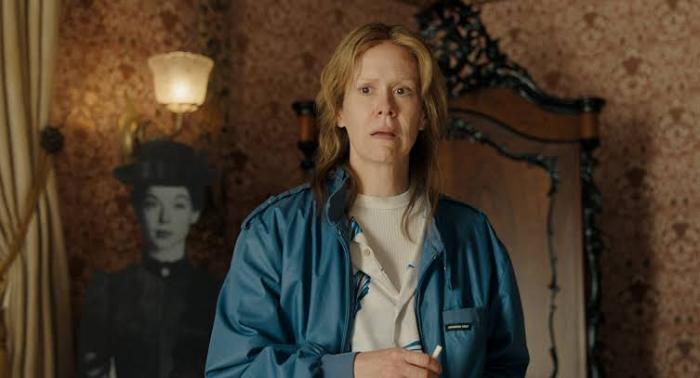
At this point, Ryan Murphy and Ian Brennan have made so much garbage with identical issues that any criticisms I have for Monster: The Lizzie Borden Story have already been made about the rest of their slop. All the things one could expect from Murphy and Brennan are present: an under-experienced lead who struggles to emote, actors who are way too good for this, an easily distracted plot, rough accent work, crossing queerness with violence in regressive ways; the list goes on. Instead of telling you what you already know, that Monster: The Lizzie Borden Story is terrible, I want to highlight a choice the series makes that comes maddeningly close to being something: connecting Lizzie to Elizabeth Bathory and Aileen Wuornos.
To pay narrow credit where it’s due, the creators recognize thematic resonance between the women. In an interview with Tudum, star Ella Beatty said, “The show is exploring a legacy of female rage and reaction to the set of circumstances that they are presented with. “I think there’s a connection [between Borden and Wuornos] that Ryan and Ian were interested in mapping and exploring.” That feels plausible on its face and isn’t entirely without merit; Wuornos and Bathory, like Borden, are women famously associated with murder. The trouble is that in execution, Monster invents an entirely new connection that it explores so poorly, it makes the entire venture feel hollow.
There’s a few assumptions Monster operates on: Lizzie Borden was guilty of murdering her parents, Elizabeth Bathory killed a bunch of young virgins and bathed in their blood, Aileen Wuornos was inspired by Borden’s murders, and all three women were driven to kill because of misogynistic social forces. Almost all of that is untrue. Lizzie Borden was acquitted because there was a significant amount of reasonable doubt. The stories of virgin blood baths were likely made up to slander Bathory. It’s a baffling choice to connect them as murderers when their actual connection, one that would much better serve the series’ themes about women under misogyny, is that they were pilloried by a sexist society for crimes they didn’t commit. But then again, by making them murderers, Monster aims to suggest a lineage that runs from Bathory to Borden to Wuornos, which might’ve been the point.
Even though her name’s in the title, Borden’s story is told entirely in the service of Wuornos. It feels like Murphy and Brennan wanted to make Monster: Aileen Wuornos all along. Why else make these changes? Why else draw this made-up line between these women? Why else bend the series around this fascination with Wuornos’s story? At any rate, Monster falls apart trying to weld these two things together and it’s all in service of a pretty rote and shallow “why women kill” type story. Honestly, the clumsy execution would be excusable if there was an interesting idea being imparted or some intriguing question being asked, but there’s nothing. It’s an overworked aesthetic exercise, once again, some more.
It’s one thing for Monster: The Lizzie Borden Story to rely on weak threads to tie Borden to Bathory and Wuornos, but it’s quite another to make that choice when there was a much more resonant connection right there. Exploring how both Borden and Bathory were held up as historical legends about feminine violence when odds are they didn’t do the deeds could’ve been fascinating. If Murphy and Brennan insist on running roughshod over their material like this, couldn’t they at least make it interesting?


