Old School. Biblically Independent.
By Dustin Rowles | TV | August 24, 2025
Spoilers
Ahead of this week’s season finale of The Institute, MGM+ went ahead and renewed the series for a second season. Which is odd only in that the show has hewed pretty closely to the novel (minus one big difference), and Stephen King never wrote a sequel. Going off-book is one thing. Inventing one is another.
Still, the end of King’s novel leaves at least a crack in the door for more story, which MGM is clearly planning to exploit.
In the book, Luke and a few of the kids manage to break out and make it all the way to DuPray, South Carolina, where Tim is pulling night shifts as a “knocker” (not close by in Maine, like in the show). As in the series, a housekeeper named Maureen risks everything to help Luke escape, slips him hard proof of what the Institute’s been doing, and then dies by suicide so she can’t be dragged back and forced to betray him. Luke recounts his ordeal to Tim, the bad guys come gunning for them, and Mrs. Sigsby winds up in custody (and later quietly killed by higher ups).
Luke spills everything: the Institute was exploiting kids for their telekinetic, telepathic, and precognitive powers to meddle in world affairs. The facility is shut down, but the victory is hollow. A man known as Mr. Smith shows up later and drops the real bomb: the Maine Institute was just one branch in a whole global network. Worse, those Institutes believe they’ve “saved the world” dozens of times by using the kids to preemptively snuff out threats. The book closes on that uneasy note: Luke’s fight mattered, but maybe not that much because he brought down only one of many Institutes.
The series takes a different approach to its ending. Here, Luke is the only one who makes it out at first. He finds Tim, teams up with Wendy (another cop), and they nab Mrs. Sigsby before storming the Institute to free the rest of the kids. Avery, the young and powerful telepath, links up with the other kids in the Institute, mind-melds with kids from another branch, and together they blow the whole place to dust. Most of the children die when the building collapses on them, including Avery, and Stackhouse goes down with them (we don’t actually see Avery’s body, so it’s possible — but unlikely — they’ll bring him back for a second season).
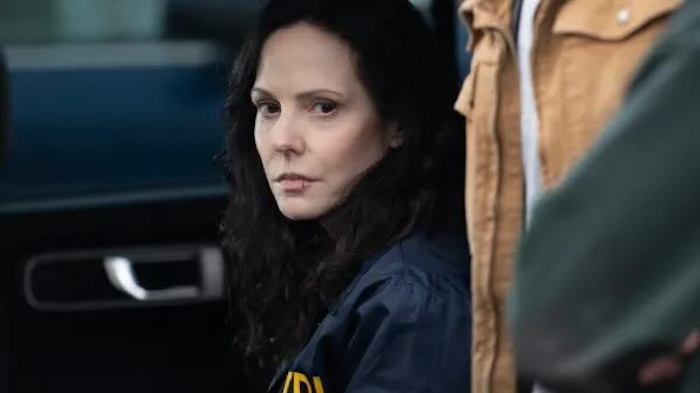
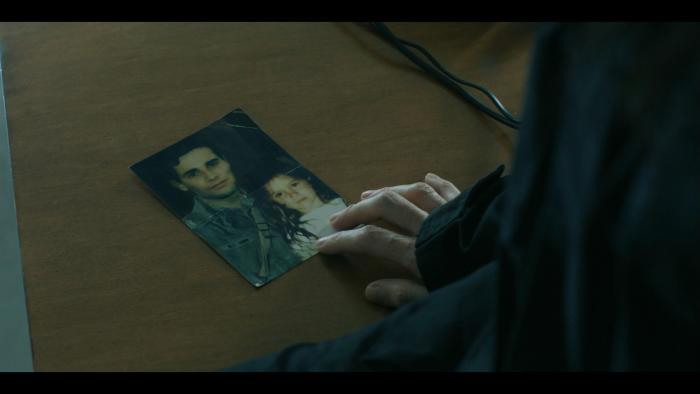
Earlier, Tony also got a nasty death (the kids force him to eat his own taser), while Dr. Daniel Hendricks runs off before the walls of the Institute literally collapse, his fate left hanging. Sigsby, though, makes it out alive this time. She grabs something that looks an awful lot like vital information, leaves a cryptic message for her possibly dementia-ridden father, and hitchhikes away. She even pauses over an old photo with Dad, who seems to be played by Robert Sean Leonard or someone who looks a lot like him.
After her escape, the surviving kids — Luke, Kalisha, Nicky, and George — link up with Tim and Wendy, heading off toward an uncertain “plan” that Tim clearly does not have. Meanwhile, a higher-up (Mr. Smith, presumably) played by Jeff Fahey orders a “burn team” to scrub the site clean, then strolls outside to play hide-and-seek with his grandkids, as if dismantling a child-murder factory is just another day at the office.
The key difference? In the novel, Luke drags the Institute’s crimes into the light. In the series, it all stays buried (for now). Other branches keep humming along, which sets up season two as a hunt for the rest of the network, possibly with help from Mrs. Sigsby, who looks like she’s holding onto something the Institute really doesn’t want out.
If you’ve gotten this far and you’re just wondering if you should watch The Institute (despite all the spoilers you now know), I will say this much: The series, like the novel, is thoroughly mediocre. There is an interesting mystery at first — why are all these kids being kidnapped? — but the answer kind of blows a hole in the story: They’re using these kids to look into the future and assassinate world leaders to control world events. It’s kind of silly and the scope too large for the size of the story. That said, if you like the novel, this is a solid adaptation of it.


