
Old School. Biblically Independent.
By Kayleigh Donaldson | Miscellaneous | June 17, 2026
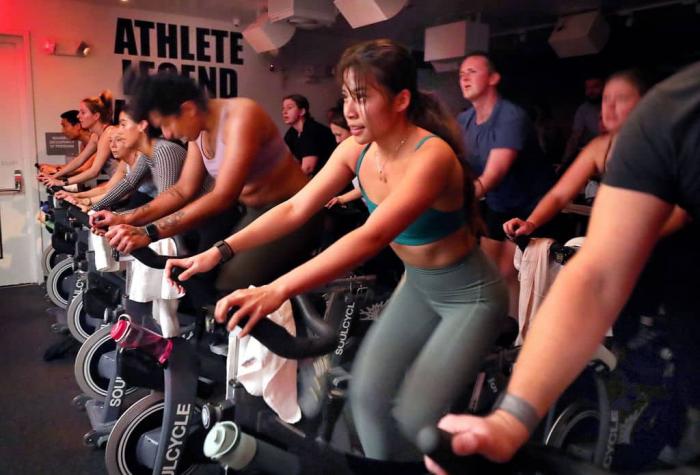
This week, it was reported that multiple SoulCycle locations across America would shut down. It comes after years of decline post-COVID but also a change in fitness fads that have moved away from spinning in favour of strength classes and Pilates. At one point, the company had 1,500 employees over dozens of locations across America and Canada. They were frequented by A-List celebrities, appeared in movies, sold merch, did partnerships with Apple, and were heralded as the hottest place to exercise. SoulCycle was the grinning, sweating face of 2010s fitness, the home of women’s health as a symbol of exclusivity in the girlboss age. Its decline was, alas, inevitable, and by their own hand. Making yourself into a pseudo-cult for rich people seldom ends well.
The company was founded in 2006, the brainchild of spin instructor Ruth Zukerman and two of her clients, talent manager Julie Rice and real estate mogul Elizabeth Cutler. They wanted to create a space for exercising that was focused on one thing - spinning - and on creating a fun and chic atmosphere. Classes started out at $27 for 45 minutes, a steep price to pay for something that is typically included in gym memberships but one that added to the exclusive feel of it all. Lighting was low, usually sourced from fancy candles, the music was loud, and the teachers were encouraging. They spoke like gurus, imbuing their instructions with mantras and motivations that fostered a sense of belonging. “We ride close so we can feel each other’s energy,” said the website.
Word of mouth spread quickly and soon it became the place to be seen. Everyone from Beyoncé to Jake Gyllenhaal to David Beckham exercised at SoulCycle. There were literal fights to get into certain classes. Where you were placed was seen as a sign of the social order: important people to the front! Instructors became stars in their own right. It was more than exercise: SoulCycle was a “way of life”, and soon, you too could try it out, as the company expanded across the nation. But of course, you couldn’t really try it. They didn’t exactly want you, if you catch my drift.
It didn’t take long for people to start talking about SoulCycle as if it were a cult. Instructors used their own lingo that was impenetrable to non-regulars. All of the encouraging speeches and high-fiving in a cramped, windowless space full of open flames and gasping customers evoked some uncomfortable parallels. But SoulCycle leaned into this image. Studio walls bore the words, “Athlete, Legend, Warrior, Renegade, Rock Star, SoulCycle.” Customers bragged about being “addicted.” One 23-year-old student told The Guardian that they took seven classes a week, totalling around $952 a month. “It seemed cultish,” said another regular. “But that’s what makes it better.” Exercise classes are often wrapped up in rhetoric of self-improvement and changing your mindset, but SoulCycle seemed to make it a core foundation of its ethos. This wasn’t spin: it was therapy.
The company quickly expanded, but with that came problems. In 2015, both Rice and Cutler sold their shares of the company to Equinox Group, the fitness brand that is infamous for its hard-to-cancel memberships and employment practices, overworking trainers without overtime. They opened their first non-cycling studio, SoulAnnex, in 2017, but it closed in February because residents were furious at the noise pollution. In August 2019, SoulCycle investor and former majority owner Stephen M. Ross hosted a fundraiser for Donald Trump. The COVID shutdown left them in permanent disarray, with furloughs, layoffs, and a number of studios never reopening in the aftermath. They lost a huge market share to Peloton, which benefitted from people’s inability to leave their homes with its at-home online classes.
But by then, SoulCycle had already lost its lustre. A November 2020 report by Business Insider alleged that some of the company’s star instructors had made racist, homophobic, and fat-shaming comments towards staff and customers. One instructor was accused of pressuring a customer into performing oral sex on him. The company reportedly did nothing to stop any of this, despite many complaints.
Exercising can really suck. A lot of us don’t feel welcome in spaces ostensibly designed to appeal to us all. How many of you have gone to the gym and felt judged for not looking right? How many times have you seen videos on social media of muscled creeps mocking fat women or berating them for “poor form”? Finding a form of movement you love, in a space where you feel appreciated, can change everything. It certainly did for me. SoulCycle was not about that. They loved the snobbery their brand fostered. They got famous from creating a veil of exclusivity that created a hierarchy of customers and encouraged them to fight amongst themselves for the top space. That almost always ends badly. Eventually, people get sick of the scrum. They don’t want to pay more for less. If you keep telling your own customers that they’re not welcome, then they’ll finally say, “okay, I’m going somewhere else.”
And they did. They bought Peloton bikes, which is a culture with its own issues but at least you can do it from home. They went back to the gym, which was exponentially cheaper and offered more choices. They moved onto new fitness fads. That last part comes with a lot of baggage, as the trendification of anything inevitably leads to a cycle of repeated mistakes. Reformer Pilates is the hot new thing now, and its corporatized takeover is also dependent on body-shaming, inflated prices, and down-with-the-poors attitudes.
SoulCycle’s welcoming ethos was only ever designed for those who met a certain standard of looks, money, and gullibility. That its effectiveness as a form of exercise was frequently questioned by experts was simply the cherry on top of the protein cake. We’ll never fully be rid of the needless luxury updates to the bare necessities, but exercise is something you can certainly reclaim from this stranglehold. Your at-home aerobics video or yoga class in the community centre is almost certainly better than this. And WAY cheaper.


