Old School. Biblically Independent.
By Kayleigh Donaldson | Miscellaneous | April 7, 2026
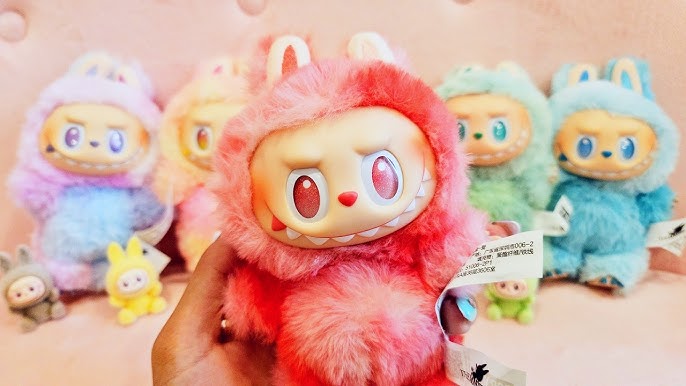
Earlier this month, Bloomberg reported that Pop Mart, the China-based toy company behind the now-infamous Labubu, reported a stock price drop of about 60% from a peak in August 2025. That led to a loss of around $33 billion. “Efforts to diversify its intellectual property have yet to emerge as meaningful growth drivers,” the site wrote. “The Labubu-led Monsters series accounted for about 40% of total revenue last year, up from 23% in 2024. Meanwhile, other high-profile figures including Crybaby and Molly posted weaker-than-expected sales.” And people aren’t continuing to buy Labubus with the feverish desperation they did this time last year. As Diet Prada detailed in their post on the story, resale markets are also plummeting, with some shilling their entire collections for a fraction of the price they acquired them for. In other words, the craze is over, gone the way of Beanie Babies, Dubai chocolate, and knowing that slurs are problematic.
There is not a person or creepy doll alive that did not see this coming. Oh, a speculative market dependent upon a toy with a gambling mechanism built into its design that was briefly beloved by influencers isn’t an enduring trend? These things won’t help me to pay for my kids’ college fund in 20 years? But knowing the bridge is crumbling has never stopped people from racing to cross it, and the Labubu had its brief but mighty reign as the fad of the second, the face of the brainrot era and the newest addition to a proud lineage of collective hoarding that became headline news.
For those who have been living in that cozy cave for the past two years, a quick refresher: Labubus are a brand of plushie collectibles that look like cheeky sharp-toothed fuzzy elves. They’re sold as part of a blind box system, meaning you have no idea which one you’re getting when you buy it. They’ve been around for a while but exploded in popularity in 2025, partly thanks to them being seen on the bag of Blackpink singer Lisa. Soon, it seemed like everyone on- and offline had to have not just one Labubu but all of them.
Reports of endless queues and even fights in the name of acquiring a Labubu became frequent. People would snatch up dozens of boxes at a time, often to resell but sometimes just to open up one after the other on live-streams. You could buy clothes for your Labubu. Some offered safety packaging for them after thefts became common. Kids got bullied for not having the fanciest or rarest Labubus. The counterfeit market became almost as mighty as the real one, with people offering warnings on the madness of Lafufus. Soon, we were in the era of Labubu Dubai chocolate Crumbl cookie matcha latte madness. It was brainrot to the extreme.
Again, it’s not necessarily that a trend like this is any different from what came before it. we had Beanie Babies, Tickle-Me-Elmos, Cabbage Patch Kids, and Pokémon cards. If your my age, your parents probably got in line at 6am one morning outside Toys-R-Us to purchase at least one of these things. But there were a few details that made the Labubu craze more insidious than its floofy predecessors. The blind box aspect lured in customers, largely children, with an instant dopamine rush and them coaxed them into doubling down so they could get the specific doll they wanted. The dolls were also dependent on a false scarcity market, one exacerbated by the resale market and Lafufu pollution.
As I wrote last year, about the brainrot era of capitalism that the Labubu seemed to embody, the overconsumption of it all was the point. It was the aesthetic. I’m sure plenty of people actually liked the designs, but the act of owning thousands of dollars of these ugly demons and being seen to own them was what helped to fuel the image of these toys as a marker of coolness and wealth. As I wrote, “It’s an overwhelming glut of content created from purchases that seek to glamourise mundanities and make them aspirational […] Everything is a product, even a meme.”
Chasing social standing through memes, pseudo-ironic toys, and celebrity copycats is doomed to fail. Eventually, we all realize that it’s not all that fun or cool to get into a fight over a toy vending machine. And right now, all of these trends feel distinctly like slop. They’re designed to be milked dry in record time then disposed of in favour of the hot new thing within two years or less. Look at your local charity shop and tell me how many Stanley cups you see. Is the Dubai chocolate in your local supermarket now marked down to pennies per bar? Labubus are heading there next.
There’s a stark difference between being a collector and being a trend-chasing hoarder. Collectors are conscious in their choices and largely uninterested in fads. There’s passion behind their items, a pride in the story they tell. Compare that to every influencer bragging about the hundreds of lipsticks they own that have largely expired or gone unused. That’s not a collection: that’s greed masquerading as a status symbol. It’s the endless chase for an increasingly small sliver of dopamine combined with forever-online bragging rights about your ability to own it all and just not care. That’s what the Labubu bubble reminds me of: the slop of the modern age that will never truly satisfy. Everyone has one so you have to have one too. It barely matters if you even like it.
But don’t worry, for a new contender has entered the ring. There are squishy dumpling toys flooding the market now. Yes, it’s a blind box item. Yes, influencers and resellers are already buying up dozens of them and creating a false scarcity problem. Yes, the cycle has begun anew. Start blowing up the bubble now.


