Old School. Biblically Independent.
By Kayleigh Donaldson | Miscellaneous | January 15, 2026
Did you see that guy at the bar with the MUBI tote bag reading Gravity’s Rainbow? So performative, right? What about that girl on Instagram documenting her morning yoga routine? Clearly performative. That protest against human rights violations taking place in your area? Yawn, performative. Everything is fake now and nothing is sincere, or, at least, that’s what the internet would have you believe.
Google searches for the term ‘performative’ have drastically increased over the past year. It’s become the buzzword of the moment, alongside ‘slop’ and ‘parasocial’, all of which seem to have amalgamated into a representation of modern perennially online life. The word is everywhere, and it’s not a positive thing to be called. Check out TikTok to see videos of people deriding ‘performative reading’, or social media posts where the replies mock a performative display of fandom or political ideas. News searches showed the word being used to dismiss everything from Spotify playlists to pro-Palestine activism. Haven’t we been here before?
Calling someone or something performative has the same intent as Gen X-ers who rolled their eyes at fakes and phonies in the ’90s. It’s a declaration that authenticity is of high value and low supply, and that those who cannot be real, however that is defined, are doing life wrong. Fakeness can be tough to pin down, but, like p*rn, we usually know it when we see it. Gen X condemned selling out and bending the knee to corporate interests. Now, we’ve grown tired of brands acting like relatable folks on Twitter, or those who beg for clicks with attention-seeking behaviour designed to infuriate us. Is that influencer performative because she’s doing the same TikTok dance as everyone else? Moving with the herd for no reason beyond expectations has always been the black spot on the face of the phony.
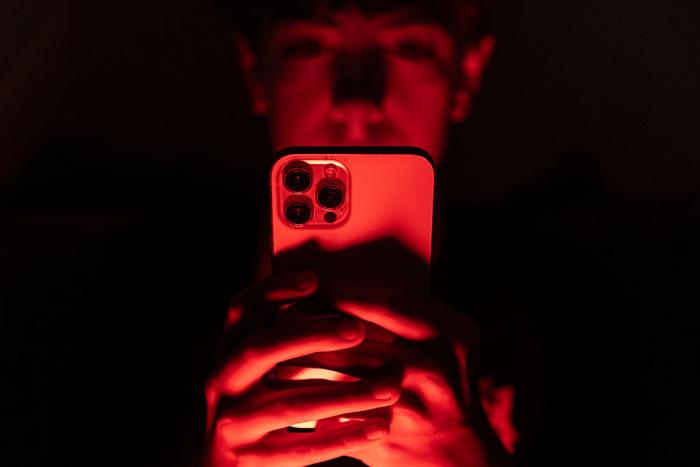
We live in a time where online and offline life are near-indistinguishable from one another, and the speed-of-light quickness with which everything unfolds has left us rudderless. We’re expected to have an online presence that can be monetised and allow us to turn our mundane existences into a source of passive income. Our social media feeds are full of sponsored content, gambling ads, and rage bait. Sometimes, we literally cannot tell what is real and what isn’t, thanks to the domination of generative AI slop on every platform we frequent. It’s no wonder we crave something real, we believe such a thing takes form. It’s tedious as all hell to see the bland-ification of online spaces unfold in real time. Micro-trends dominate for 15 minutes and soon grow sour because we know they’ll instantly become fodder for cruelty, exploitation, and Trump White House Twitter posts. We’re all painfully exposed on the internet and shaped by algorithms we neither want nor need. Who wouldn’t want to break free from this grasp and declare they’re realer than ever?
Calling someone performative is intended to hurt. It’s a judgement that immediately labels you as a liar, as someone with no ideas or personality of your own. There are plenty of justifiable reasons to slam someone as performative, especially in the current system. Every loser using Grok to make ineptly executed rage-bait is performative in the most embarrassing manner possible. Every podcast bro doing the ‘I’m not mad’ defence as they rant about wokeness for the 74th time is engaging in pure showboating, and it’s one they often don’t seem that committed to. It does seem to be a major tenet of modern hard-right politics to put on this pageant of cruelty and provocation that may be rooted in real bigotry but is nonetheless performative in practice.
But, as with all useful terms, it hasn’t taken much for the sting of ‘performative’ to be weakened by overuse and the dismissal of anything with character or earnestness. It’s often been said that Gen Z is afraid of cringe. Author Ocean Vuong, who writes achingly earnest novels, talked recently about how his students seem terrified of doing anything that would ever be described as cringe, and that it was limiting their emotional and creative potential. Said Vuong, they ‘don’t want to be seen as trying and having an effortful attempt at their dreams.’
‘Performative’ is the ‘cringe’ with an added sheen of faux-intellectualism, but both insults are the same in practice. To seek even positive attention or to allow yourself to be vulnerable is a scary experience. Sneering the buzzwords of the moment at anyone who tries it allows you to maintain the illusion of a moral high ground. It’s pure smarm, and you risk nothing by labelling yourself the arbiter of authenticity in this manner. Yet it’s understandable when you’re a forced resident of the panopticon of surveillance that is online life. For no reason beyond the algorithm’s whims, your perfectly nice post about your favourite book or outfit of the day could go viral and become the target of needless scrutiny that serves only to berate you for trying. Because trying means you’re likely to fail, and failure is unacceptable.
Forced nonchalance is uninteresting and incurious. The last thing we need in the time of slop and hate is to place arbitrary punishment on those who wish to do or be better in their lives. The only ones who benefit from a system where we become too embarrassed to enrich ourselves and ask for more in life are tech conglomerates, hate groups, and the most unbearable podcasts you’d never listened to. So, maybe it’s time to be a bit cringe, put on the performance, and signal our virtues. It sure seems more fulfilling than being trapped by your own smugness into an endless life of swiping up and smirking.


