
Old School. Biblically Independent.
By Chris Revelle | Miscellaneous | March 18, 2026
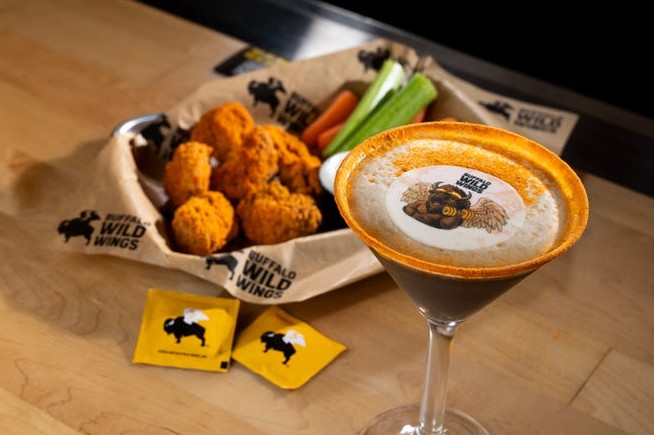
I can remember where I was when I read that Buffalo Wild Wings unveiled a buffalo sauce-flavored espresso martini with added protein. The “proteini,” with a dry rub-dusted rim, stared back at me from my phone as I sat in my car before taking my commute home from work. An oily seep of nausea passed over me as I mulled the meaning of these words together. Who could want this, I wondered, as I considered how the vinegary tang of buffalo sauce would meld with the rich bitterness of espresso and the mealy, stale aftertaste of protein additive. The salty, crystalline grit of wing-rub sanding against the lip; it’s enough to make one shudder. It was hard to imagine someone taking one sip, let alone enough to finish a whole glass.
It seems like something slapped together by AI that was instructed to combine hot food trends into one brain-rot product. Espresso martinis are having a real moment, and the ubiquity of the diabetes drug GLP-1 as a commercial weight-loss aide has driven protein into its own hot fad. From a business perspective, it makes sense to combine these things. Each element is popular on its own, and together, they would be even more so. But would that result in a cocktail that people would actually want to drink?
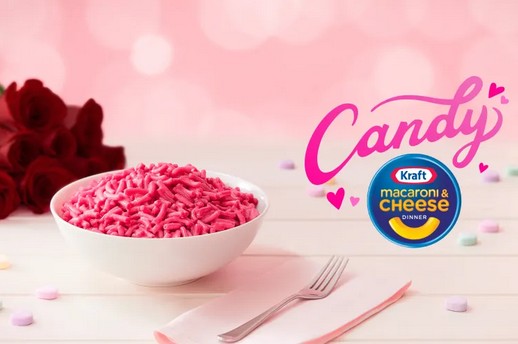
This question calls to mind other recent horrors of corporate test kitchens. Recall Kraft’s “Candy Mac & Cheese,” a standard macaroni and cheese with a sweetened cheese powder that turned the boxed meal an electric pink. Just in time for a romantic Valentine’s Day feast.
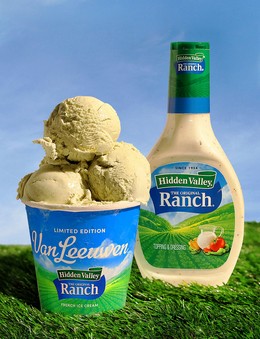
There was also the Van Leeuwen Hidden Valley Ranch ice cream, with an aftertaste that was said to linger on the palate for eons. Van Leeuwen makes a tasty ice cream and they have a track record with stunt flavors, but it’s genuinely difficult to imagine eating this outside of being dared to.
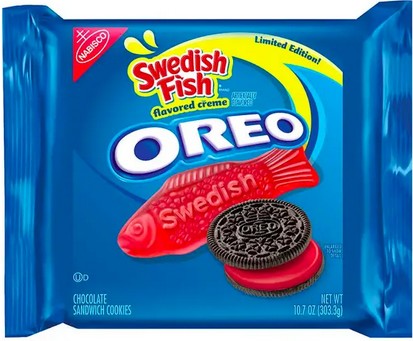
Oreos has been a dedicated troll in the field of stunt flavor field, with such oddities as Fruit Punch Oreos, Buttered Popcorn Oreos, Watermelon Oreos, and Swedish Fish Oreos.
It’s very possible that as you read this, you find some of these flavor combinations attractive or have tasted and enjoyed them. I’m not here to issue some edict on what does and doesn’t taste good in some objective sense. Palates vary and finding new and different flavor profiles is a good thing. What I’m really getting at is whether the primary purpose of these limited edition treats is really to be eaten at all.
Whether they’re capitalizing on current trends like the “proteini,” synergizing two recognizable brands like the Van Leeuwen x Hidden Valley collab, or adding odd flavors to Oreo cream filling, what all these products are aiming for is marketing. Food-tasting blogs will try them so you don’t have to. Influencers will record their reviews on Instagram. Defenders will take to Reddit to say they’re good, actually. Rinky-dink freelance writers like me will point and say, “Ew!” It doesn’t matter so much if these products sell well or taste good. They’re stunts, ads, ploys for attention and buzz. They’re rage-bait, collectors’ items, and bile fascinations all rolled into one. It fundamentally doesn’t matter what kind of reaction they elicit, as long as they elicit one.
There’s no harm in that, per se, but it creates a curious situation. Similar to the phenomenon of movie theaters making their real money off concessions instead of tickets, these corporations are making food that isn’t meant to be eaten as much as they’re meant to be talked about. The resources expended to create ranch dressing ice cream, buffalo martinis, and candy macaroni could go towards making food that, if not healthful, is at least intended to be eaten. Instead they’re bite-able billboards, reaching for weirder, wilder, and grosser depths all to stay in the conversation.


