Old School. Biblically Independent.
By Mae Abdulbaki | Film | October 5, 2026
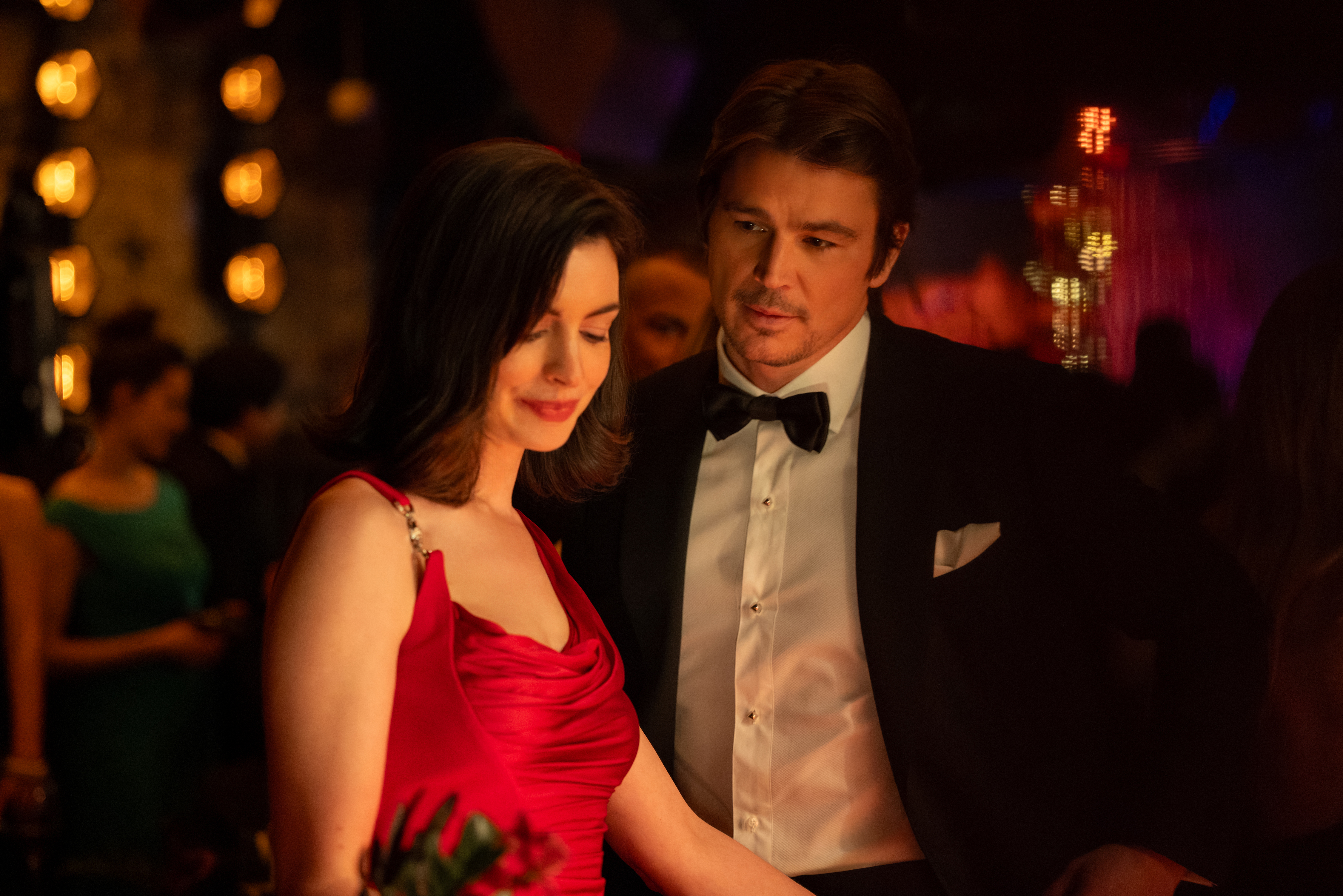
Verity, among many psychological thrillers, hinges on the manipulation of the truth. Crucially, it focuses on our perceptions of women and whether we believe them. We’ve seen this with The Housemaid and The Invisible Man, among others. The more sinister question Verity poses is this: Why do we want to believe the worst in one of these women while being set up to feel sorry for the other?
The answer seems obvious — patriarchy, misogyny, etc. — but a big part of what makes movies like Verity so uncomfortable to watch is not waiting for the big twist to come (and there’s always a twist), but the initial reaction within us to believe that women like Verity Crawford (played by Anne Hathaway) are crazy. At one point, Verity is believed to be a bad mother who hates her children, and no one questions it. As the audience, we’re gaslit, echoing these women’s experiences. Yes, these stories give us complicated, layered women who aren’t perfect victims, but they also all play into societal assumptions about how women should be.
The film, based on the book by Colleen Hoover, who also gave us the controversy-fueled It Ends With Us), gives us a lot to mull over, even if it’s riddled with story and pacing issues and overall flat acting. Despite everything, though, the psychological thriller isn’t the worst thing I’ve ever seen, but it isn’t particularly good, either. At the very least, it isn’t boring.
Directed by Michael Showalter from a screenplay by Nick Antosca, Verity follows Lowen Ashleigh (Dakota Johnson), a published writer who hasn’t achieved the success she was hoping for. She’s asked to ghostwrite the remaining books of popular genre novelist Verity Crawford, at the behest of her agents and Verity’s husband, Jeremy (Josh Hartnett), after an accident prevents the author from completing them herself. Lowen is invited to stay with the couple to look over Verity’s notes and get into her head, but she ultimately gets way more into the sordid details of Verity’s life than she ever expected.
Verity has plenty of story problems. It’s a half-baked thriller that comes off as being more mysterious than it actually is. The few jump scares peppered throughout are not effective save for one, and none of the characters can be considered redeemable, though the narrative tries to paint Lowen as somewhat of a victim of her circumstances, namely because Verity is meant to be the unhinged one whose life Lowen secretly (and, later, not-so-secretly) desires. That thread on its own is worth exploring, but the film stops short of doing anything interesting with it.
At a dinner, Lowen tells Jeremy that she has a “resting bored face,” and it’s almost laughable because that’s what Johnson often looks like playing Lowen: uninterested in the material or in giving her performance the nuance it needs to pull off convincing us of her true nature. Sometimes a not-so-good movie can be saved by the committed performances of its cast, but while Hathaway is the only excellent actor in the film, not even her alluring and borderline erratic performance is enough to save it. To be sure, there are inklings of interesting themes here — envy, the manipulation of truth and why we’re so willing to believe these manipulations alongside the characters, and the consequences of wanting someone else’s life, especially when you barely know them. Unfortunately, none of them really stick.
And yet, Verity remains a disconcerting watch. Its imbalanced pacing affects the stakes and the thriller aspect should’ve been dialed up, but it is one of those films that’s kind of trashy enough to watch from the comfort of your own home. There’s no romance here, and the film doesn’t have much to say about the world of literary writing. The psychosexual parts are mere teasers in a clear cycle of toxicity. I did enjoy exploring the discomfort with regard to its characters and their actions, but the story’s hook hinges on that too much without getting beyond its superficiality.
Verity narrating her autobiography while we watch things unfold certainly adds to the intrigue, but that’s honestly where the thrilling momentum of mystery ends. Verity is trying to be many things at once and none of them great; that is its biggest downfall. Hoover’s story is good at keeping us hooked long enough before the underwhelming, rushed ending makes us realize that continuing to watch such a jumbled film may not have been such a good idea in the first place.
Verity is now playing in theaters.


