Old School. Biblically Independent.
By Chris Revelle | Celebrity | August 14, 2026
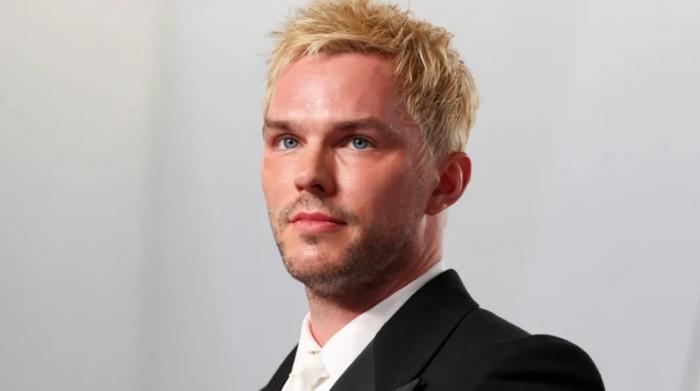
Nicholas Hoult is the latest recognizable star to be cast in HBO’s upcoming Harry Potter series. He’ll be playing Guilderoy Lockhart, the role played by Kenneth Branagh in the film adaptations. As with any news associated with JK Rowling, there’s significant baggage. The author remains a dedicated antagonist to the trans community, often committing great sums of money, energy, and time to fighting against their rights and place in public life. It’s disappointing news when a beloved actor signs on to something like this because it raises all sorts of questions about their beliefs and the ethics of continued support. Everyone will come to their own conclusion about the issue, and far be it from me to dictate that. There’s something to be learned from this news though, and it’s important to keep in mind: the performers we love are business people at the end of the day.
This isn’t a defense or apologism for Hoult. He’ll reap whatever is sown from associating with one of the most prominent bigots. Disappointment, anger, and frustration are all natural responses when a star lends their name and clout to something like this. It’s also natural to wonder to what extent Hoult (or Jon Lithgow or Bel Powley or Nick Frost) agree with Rowling’s politics. Whatever they believe, they at least assign less value to trans liberation than to the money or prestige that they stand to gain. Ethical or political concerns are secondary to what’s essentially a business decision. They’re similar to CEOs and their fiduciary responsibility in that way.
Actors are artists, but art exists in our world as commercial products. That’s a reality, and not a new one. That means that the decisions made in the creation of those products are focused on business outcomes. If success in the entertainment business can be defined as making a product that enough people will consume to make more money than what was spent to make it, then taking a role in the new Harry Potter series makes sense. That doesn’t make it ethical or socially responsible, but those aren’t the primary goals of business.
Except, it rarely feels so cut and dry. As a part of that entertainment business, celebrities use personas crafted to make audiences like them. Being likeable is an asset because it helps sell products. That all makes the line feel confusingly blurry. Our age of social media blurs it further by offering false notions of authenticity and intimacy. Complicating matters further, fandoms of performers and franchises are essentially social groups. Cultural forces drive us to identify and connect through fandom. It makes moments like these way thornier than they appear.
It’s understandable to want someone you admire to be a good person and to reconsider your support when they associate with bigots. It’s also understandable that someone doesn’t want to give money to people like Rowling, especially when she’s very public about where that wealth goes. The frustrating thing is that Hoult, Lithgow, Powley, and Frost probably don’t need to take these roles. It’s actually quite easy to not associate with Rowling and her politics by extension. It’s baffling that Lithgow and Powley, for example, seemed caught off-guard by the backlash, as if they had no way to know it would come. As with Nate Bergatze, if they don’t want the mess, then they shouldn’t jump in the mud.


