Old School. Biblically Independent.
By Kayleigh Donaldson | Celebrity | April 28, 2026
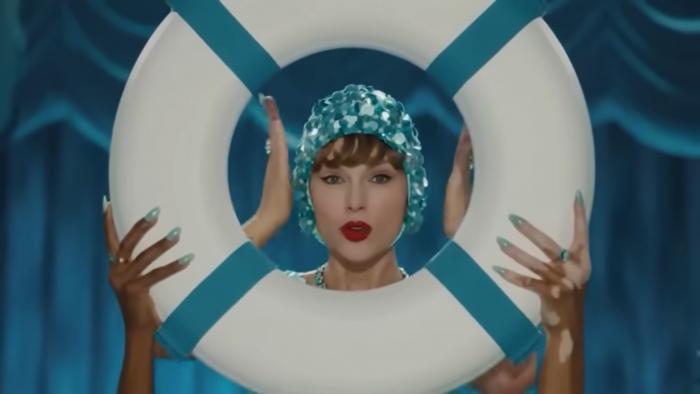
Taylor Swift has applied to trademark her voice and appearance. According to the BBC, she’s lodged three trademark applications in the US: “one using a photo of herself on stage during her Eras Tour, and the other two being audio clips of her introducing herself while promoting her last album.”
This seems to be a move to protect herself from the scourge of AI theft, something she’s already become all too familiar with. Many AI-generated images of Swift have found their way to the internet in recent years. Some of them were sexually explicit and deeply offensive. One cannot blame her for using her f*ck-you money to stick it to the plagiarism machine.
It’s not exactly common for musicians to do this. Trademarking your name or certain slogans or logos is one thing, but doing so with your voice wasn’t usually seen as necessary. But when you have these AI models stealing everything, from entire books to your social media feeds, to train its assembly line of slop, you have to protect yourself. But how does this actually work in legal practice?
Josh Gerben, a trademark lawyer who first reported Swift’s filings, noted that some “sound marks” have received trademark protections, like Netflix’s “Tu-dum.” But “attempting to register a celebrity’s spoken voice is a new use of trademark registration that has not been tested in court before.” At the very least, it seems that Swift getting these trademarks in will make it easier for her to go after anyone who tries to steal her voice or songs for these AI models.
“Historically, singers relied on copyright law to protect their recorded music. But AI technologies now allow users to generate entirely new content that mimics an artist’s voice without copying an existing recording, creating a gap that trademarks may help fill.By registering specific phrases tied to her voice, Swift could potentially challenge not only identical reproductions, but also imitations that are “confusingly similar,” a key standard in trademark law.
Theoretically, if a lawsuit were to be filed over an AI using Swift’s voice, she could claim that any use of her voice that sounds like the registered trademark violates her trademark rights.”
Swift is not the first celebrity to delve into this issue. Matthew McConaughey became the first celebrity to use trademark rules to attempt to protect his voice and image from AI misuse earlier this year. But he’s also been happily cashing in with ads for Salsesforce’s AI offerings, so he’s playing both sides, Mac-style. One wonders if other stars, record labels, or agencies will file for similar trademarks to protect their talent, or if they’ll keep doubling down on “AI is the future” and hope their stars go along with it. I need this bubble to burst already. Sam Altman isn’t miserable enough for my liking. Hey, Taylor, can you sue him? Just for the fun of it?


