Old School. Biblically Independent.
By Jason Tabrys | Celebrity | October 14, 2026
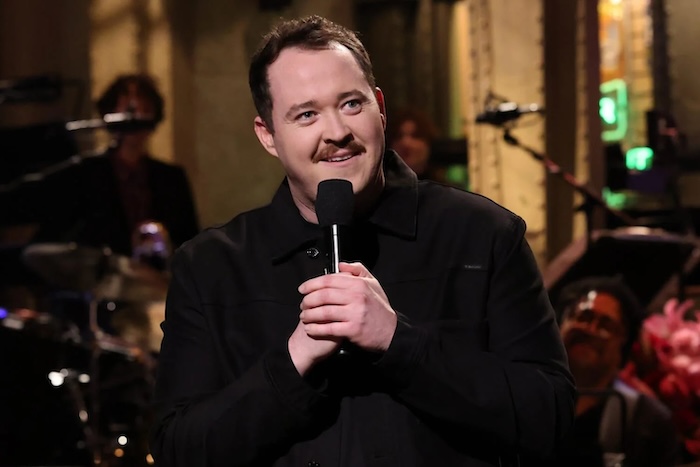
Among other things, stand-up comedy should push boundaries and start sometimes uncomfortable conversations. But not every joke that gets farted out deserves the protected status some comics seem to demand. Which is odd in a profession where ideas stand on merit, as decided by strangers who laugh, boo, or shrug.
Going on Saturday Night Live and saying women dress like “wh**es” at the gym isn’t worthy of defense. It’s misogyny masquerading as comedy. The resulting outrage was inevitable. It might have also been the point for a comic who has benefited from controversy.
I’ve seen enough of Shane Gillis’ stand-up to have an opinion that goes beyond this moment. On occasion, he connects. But often, he comes across as basic and comedically unambitious. This is not a master craftsman, a high-minded satirist, or a provocateur with a point. Gillis is just playing with matches and snickering to himself and his friends. And it’s working for him.
Since being “canceled” in 2019 after racist podcast clips surfaced, costing him a spot in the cast of SNL, Gillis’ career has risen steadily. But how much of that is because of what he’s doing, and how much is because he’s become a symbol of the pushback against cancel culture?
At some point, supporting Gillis became a political statement, and all political statements get deeply intertwined with people’s identities. As such, Gillis brings a loyal army of fans wherever he goes. And so Netflix stays in business with him. Bud Light uses him as a shield following the conservative backlash over the brand working with a trans influencer, and supposedly canceled filmmaker David O. Russell casts him in his upcoming John Madden film. And, of course, Lorne Michaels keeps inviting him back to host SNL. But is that about Gillis, or is it about Michaels?
Lorne is 81 and has produced SNL for 47 of its 52 seasons. During that time, he’s had to fire a few notable cast members - Norm Macdonald, Adam Sandler, Chris Farley - though he’s always found ways to stay in their corner. As he has with Gillis. He also has a history of pushing the envelope with hosts. Donald Trump is the most obvious example, but he also stood by the decision to have misogynistic comic Andrew Dice Clay host, even though it caused a boycott by cast member Nora Dunn and musical guest Sinead O’Connor.
Like so many incredibly powerful and successful men, I’m sure Michaels doesn’t like being told what he can and can’t do, or who he can and can’t hire. So when we see Gillis hosting another episode, it’s not because he is an “interesting phenomenon worth examining,” like Michaels reportedly told Dunn about Clay. Gillis is there because Lorne Michaels said so - that’s why.
This kind of pushback against limitations is at the heart of all things MAGA, Elon Musk’s Twitter crusades, and the comedy podcast bros who allowed themselves to be co-opted by Trump. But it’s not entirely political.
It’s human to question authority and push back against fence posts. The entitlement that comes with success can turn it into something else, making some so obsessed that every action becomes a reaction or rebellion against people who don’t always buy what they’re selling.
Look at Dave Chappelle. A near-universally beloved and respected comic capable of cutting through the noise to deliver thought-provoking and hilarious cultural analysis has alienated a chunk of his audience over a ceaseless campaign against trans people. But does Chappelle really care about criticizing that oft-maligned community, or is he stuck in a loop, worried that if he moves on, it’ll be read as surrender to people literally begging him to stop?
Despite this latest controversy, I don’t doubt Gillis will be back on SNL in the future. NBC made Michaels break up with him once - ego won’t allow him to do it again. Especially when the consequences of Gillis’ fire-starting are limited to piddly articles like this. The Gillis army isn’t going anywhere, not so much because of his talent, but because of the perception that he is on their side - whether it’s true or not.
Politics and comedy are natural bedfellows, but when the former consumes the latter, it becomes exhausting and, most importantly, unfunny.
Shane Gillis isn’t a cause; he’s a comedian who’s gotten a free ride on the culture-war express. And he knows it. Not laughing or not being into him doesn’t have to be political; it can just be an expression of good taste.


