Old School. Biblically Independent.
By Kayleigh Donaldson | Celebrity | October 15, 2025
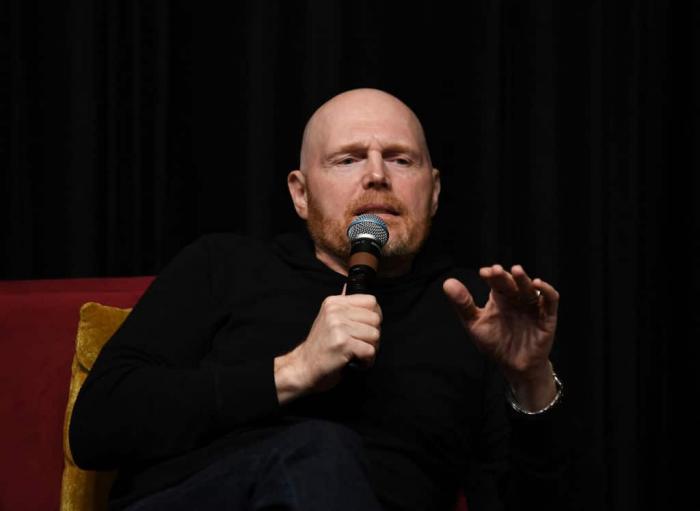
The fallout from the Riyadh Comedy Festival has been swift and forceful. The devil’s row of comedians who signed up to play the controversial event, and agreed to heavy contractually obligated self-censorship in the process, are now facing pushback from the press, fans, and their own colleagues. Some have admitted to regretting their decision. Others have tried to donate their earnings (and, in the case of Aziz Ansari, have been turned down by his chosen charity.) A few have dug in their heels and claimed it was all a good opportunity, that they didn’t go against their previously vocal ethics, and really, who are the true bad guys in this situation?
One would imagine the moral failings of this situation to be pretty dang obvious. The Saudi government was engaging in an act of cultural whitewashing, paying obscene amounts of money to major performers to help clean up their image and hope you forget about the decades of human rights abuses. That such an exchange of ideas could only exist with a strict contract dictating what these free speech truth-tellers could and couldn’t say was almost beyond parody. They’d sold out. There was no question about it. But this also felt like the first time in quite a while that we were actually mad about that. Selling out isn’t the crime it used to be. Maybe it’s time we brought back the shame.
The term ‘selling out’ is typically used to describe those who eschew their previously vocal ethics in favour of a big payday. A good recent example would be Stormzy deleting references to Palestine from his social media accounts after securing a deal from McDonald’s, which is on the BDS list. But it’s also become a general catch-all term for artists or figures of any or no political stances jumping to sell any shoddy product or dodgy business practice for the sole purpose of lining their already full pockets. Nobody expected Jack Whitehall to be a progressive leader, but it was still selling out for him to fly out to Riyadh.
When Neil Young sang a song mocking beer commercials and David Bowie was lambasted for selling Pepsi, it was a time when the record industry was swimming in money, and going for even more of it seemed overtly greedy. As advertising became ever more prominent in our daily lives, intersecting with culture in various ways, we cared less about those divisions. Deregulation of TV in the ’80s led to a generation of kids’ entertainment made explicitly to sell toys (thanks, Reagan.) Brand sponsorships of major events expanded. Product placement in films was often hilariously prominent. With people like Michael Jackson and Madonna selling Pepsi, suddenly it was cool to smack your face on a can. Even the most anti-corporate, anti-mainstream acts were forced to engage in the MTV system to promote their music. The system was inescapable.
We slacked on shaming sellouts, but for good reasons. The defining terms of selling out started to shift in incomprehensible ways. Suddenly, making songs that sold well was selling out, and so was playing gigs in anything larger than a dive bar. It became hopelessly smarmy to go after artists trying to make a living in an increasingly barren landscape, especially as residuals were greatly decreased following the takeover of platforms like Spotify and Netflix. How could you get mad at a singer for wanting to make a decent wage when a million streams of their biggest hit barely netted them $3000?
The systems of fame so drastically changed over the past 25 years that the old rules couldn’t possibly apply. We now navigate a world where saying something vaguely quotable on TikTok can turn you into a recognizable face overnight, and there are no protective barriers or financial safety nets in place to help you survive it. Everyone else starts cashing in on your face, so why shouldn’t you sell the merch, do the podcast, shill the crypto scams?
Last year, Defector wrote a piece about what’s become known as ‘bad culture,’ meaning the act of getting your money regardless of ethics, taste, or even the law. It’s emerged as a new norm over the past couple of years as online fame and fleeting influencer forces became embedded in the bedrock of celebrity, but it also applies to us normies. Our culture is one of perennial optimization, and nobody is exempt. Your home is a potential Airbnb, your car a future Uber, your hobbies a route to side-hustle profits. It’s an inevitable side-effect of a crumbling economy that has removed consumer protections at every turn and replaced them with gamified models. Capitalism was never ethical, but as Defector noted, the current model pushed by internet brainrot, AI slop, and hard-right meme radicalization relies on hoping each and every one of us will want to remould ourselves into predators. Selling out isn’t just about getting your bag: it’s about relishing the opportunity to be the boot.
It’s a philosophy I find increasingly repugnant. I hate seeing every pseudo-celebrity latch onto scams and exploitation just to make a few quid. And it’s only gotten worse among the more traditionally famous. Everyone is doing ads for casinos and gambling apps. Genuine A-Listers are making dead-eyed sponcon for mobile games full of predatory pay-to-play options. Remember when Reese Witherspoon and a plethora of stars started shilling NFTs? Or when David Beckham became an ambassador for the World Cup in Qatar despite endless pushback over the country’s human rights violations? We don’t blink twice at this level of callous greed, even when it comes from the highest office in the land. Having standards for rich people is a futile endeavour, but surely someone has to have them?
We should get back to embarrassing people who engage in such transparent acts of selling out. Sometimes, bullying works. Clearly, it’s making an impact on many of these comics who thought we’d treat Riyadh as just another gig. Shrugging our shoulders and going, ‘Eh, get your bag’ is only exacerbating an already rotten capitalistic experience that has made the vast majority of us poorer and left begging for scraps. ‘You too could one day be a sellout’ is not an economic market any of us should be eager to embrace. Let us take solace in the words of Jessica Mitford: ‘You may not be able to change the world, but you can at least embarrass the guilty.’ Bring back shame for those who deserve it.


